










After Surgery
The postoperative period is of great importance for supporting the success of the surgical procedure applied and ensuring the patient recovers safely. After the operation is completed, the body needs time, proper care, and regular check-ups to recover. The healing process can vary from person to person depending on the type of surgery, the patient's general health status, and the treatment applied. During this period, it is important to use the medications recommended by the doctor regularly, pay attention to wound care, increase physical activity in a controlled manner, and maintain a healthy diet.
Especially after heart and vascular surgery, patients must follow the discharge recommendations, not miss follow-up appointments, and report unusual symptoms to the healthcare team. In the postoperative period, the aim is not only the healing of the wound but also the patient's safe and as healthy as possible return to daily life. Therefore, every stage of the recovery process should be planned in line with the doctor's evaluation and individualized recommendations.
The First Days After Surgery
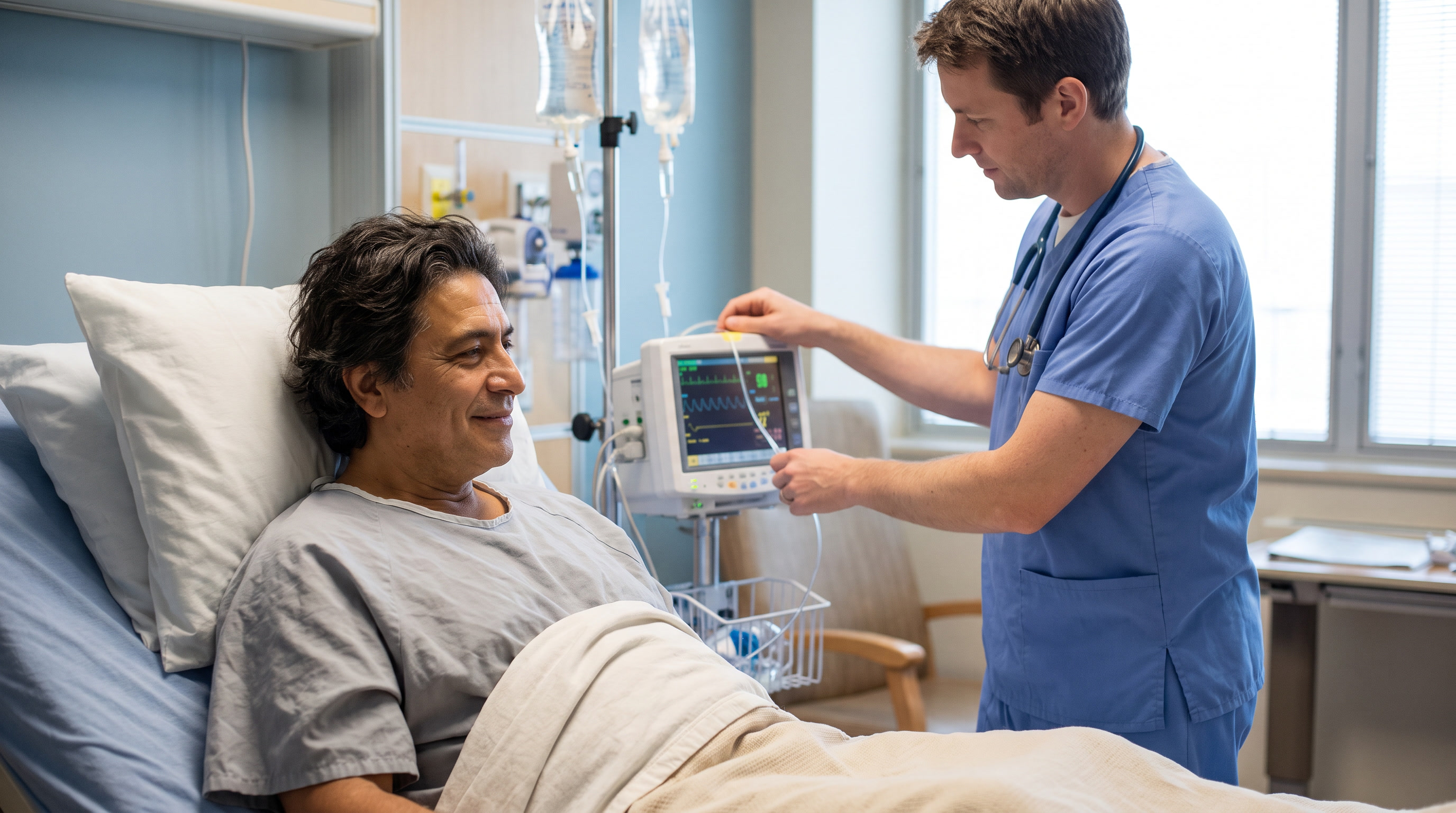
The first days after surgery are the period in which the patient's general condition is closely monitored. Blood pressure, pulse, respiration, temperature, and other values deemed necessary are checked regularly. The condition of the surgical area and wound healing are also evaluated by the healthcare team. Pain is a condition that can be common after surgery, and pain control methods deemed appropriate by the doctor can be applied.
When the patient will start moving is determined according to the type of surgery and general health status. Moving to the extent recommended by the doctor or physiotherapist can help reduce some risks that remaining immobile for a long time can create. However, excessive exertion and uncontrolled movements should be avoided, especially after major surgical procedures.
Wound Care and Hygiene
Keeping the wound area clean and dry after surgery is one of the important parts of the recovery process. Since the practices regarding wound care may vary according to the surgical method, the recommendations of the healthcare team should be taken into account. The doctor's instructions must be followed regarding when the dressing will be changed, showering, and cleaning the wound area.
Mild sensitivity or swelling may be seen around the wound. However, symptoms such as increasing redness, marked swelling, foul-smelling discharge, opening at the wound site, or high fever should be evaluated in terms of infection or another complication. In such cases, it is important to consult a healthcare facility.
Medication Use
Medications prescribed after surgery must be used at the recommended doses and times. Especially after heart and vascular surgery, the regular use of blood thinners, blood pressure medications, or other cardiovascular medications can be an important part of treatment. Stopping medications, changing their dose, or starting a new medication without the doctor's knowledge is not recommended.
Nutrition and Fluid Intake
Postoperative nutrition is one of the important factors contributing to the body's recovery. When and which foods the patient will start consuming after surgery may vary according to the characteristics of the procedure performed. A balanced diet containing adequate protein, vitamins, and minerals can be established in line with the recommendations of the doctor or dietitian.
Especially for heart and vascular health, excessive salt, saturated fat, and processed food consumption may need to be limited after surgery. Adequate fluid intake is also important for overall recovery; however, in conditions such as heart or kidney disease, the amount of fluid should be determined individually.
Movement, Exercise, and Return to Daily Life
Returning to physical activity after surgery should be done gradually. Short and controlled walks may be recommended in the early period. The duration and intensity of activity are determined by the healthcare team according to the scope of the surgery and the patient's general condition.
Heavy lifting, intense exercise, prolonged strenuous activities, and movements that could strain the surgical area should be avoided until the time the doctor allows. Planning the exercise program in a controlled manner after heart and vascular surgery is important for a safe recovery process.
The Importance of Follow-ups
Doctor follow-ups after surgery are important for evaluating recovery and detecting possible problems early. During follow-ups, the wound area, medications used, physical capacity, and general health status are evaluated. If deemed necessary, blood tests, imaging methods, or other tests may be requested.
Follow-up appointments must be kept not only when there are complaints but in accordance with the schedule determined by the doctor. The patient communicating new symptoms experienced during recovery and the medications used to their doctor facilitates the evaluation.
Symptoms That Should Be Considered After Surgery
A certain level of pain, fatigue, and limited movement can be seen after every surgery. However, if symptoms gradually increase or new and serious complaints occur, support should be obtained from the healthcare team. Especially high fever, shortness of breath, chest pain, fainting, severe and increasingly intense pain, excessive bleeding, or marked signs of infection at the wound site should be taken seriously.
After heart and vascular surgery, symptoms such as sudden-onset chest pain, severe shortness of breath, altered consciousness, speech problems, or sudden weakness on one side of the body may require emergency evaluation. In such symptoms, emergency health services should be used rather than waiting.
Lifestyle During the Recovery Process
The postoperative period is also an important opportunity to bring current health problems under control and establish a healthier lifestyle. Especially people who have undergone surgery due to heart and vascular diseases should have their values such as blood pressure, cholesterol, and blood sugar monitored regularly.
Balanced nutrition, regular and controlled physical activity, avoiding smoking, and not missing doctor check-ups can contribute to the long-term preservation of heart and vascular health. The patient regularly following the treatment and lifestyle recommendations determined for them helps the postoperative period be spent more healthily.
The recovery process after surgery is specific to each person. The type of surgery, the patient's age, existing conditions, medications used, and general health status can affect the length of the process. Therefore, instead of general information obtained from the internet, the recommendations of the patient's own doctor should be taken as the basis.