










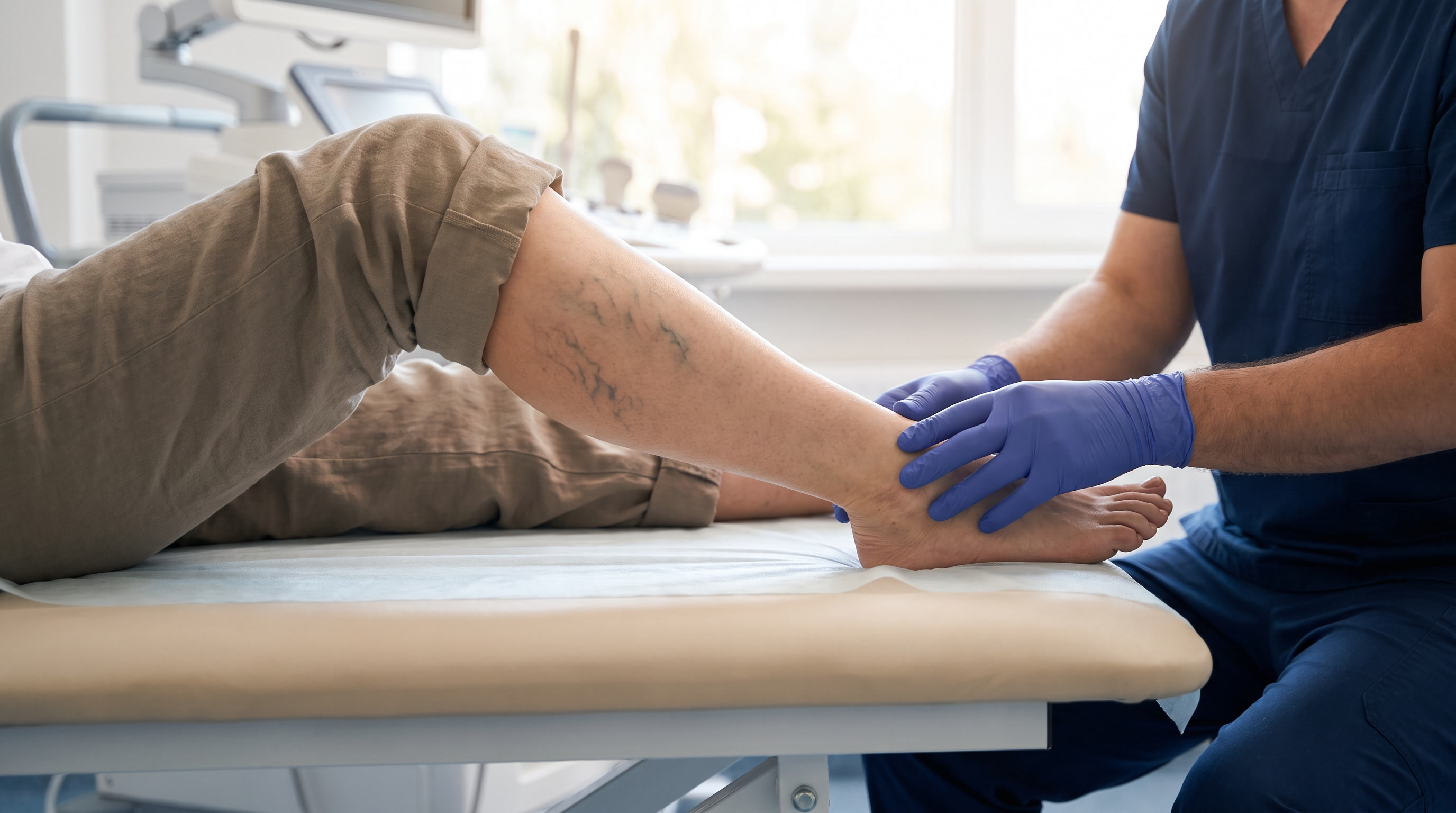
Varicose Veins
Varicose veins are a common vascular disease that occurs when veins widen, lengthen and take on a twisted appearance. They are usually seen in the legs and can be noticed as purple, blue or dark-colored veins that become prominent under the skin. Insufficient functioning of the venous valves plays an important role in the formation of varicose veins. In this case, the progression of blood toward the heart can become difficult and pressure can increase in the leg veins. Standing for a long time, a sedentary lifestyle, excess weight, pregnancy, advancing age and a family history of varicose veins can increase the risk of the disease developing.
In some people, varicose veins create only an aesthetic problem, while in some patients they can cause complaints such as pain, a feeling of heaviness, burning, itching, night cramps and swelling in the legs. In advanced cases, skin discoloration and hard-to-heal wounds can develop. In the diagnosis of varicose veins, imaging methods such as color Doppler ultrasonography can be used in addition to physical examination. Treatment is planned according to the degree of the varicose veins, the condition of the veins and the patient's complaints. In addition to lifestyle changes, sclerotherapy, endovenous laser or radiofrequency applications and, in suitable patients, surgical treatment options can be considered.
Why Do Varicose Veins Occur?
At the basis of varicose veins lies the deterioration of the mechanism that ensures blood in the leg veins is carried toward the heart. The valves located inside the veins help prevent blood from leaking backward. If the function of these valves deteriorates, blood can accumulate in the legs, causing the pressure inside the vein to rise and, over time, leading to the widening of the veins.
Standing for a long time or sitting still for a long time can negatively affect circulation in the leg veins. In addition, genetic predisposition, pregnancy, excess weight and age-related vascular changes can also be effective in the formation of varicose veins.
Factors that increase the risk of varicose veins
- Having a family history of varicose veins
- Working while standing for a long time
- Staying still for a long time
- Excess weight and obesity
- Pregnancy
- Advanced age
- Lack of regular physical activity
- Having previously had a venous disease
Not every varicose vein progresses in the same way. In some people, only the prominence of superficial veins is seen, while in some patients there may be circulatory problems affecting the deeper venous system.
What Are the Symptoms of Varicose Veins?
The symptoms of varicose veins can vary from person to person. In some people, there may be no complaints despite a visible vein appearance. Symptoms can become more pronounced especially in the later hours of the day or when standing for a long time.
Pain, fullness, heaviness and fatigue in the legs are among the commonly seen symptoms of varicose veins. In addition, swelling, itching, burning and muscle cramps occurring at night may be seen in the ankles and legs. Temporary relief in complaints may occur after moving the legs or resting.
Changes that can be seen in advanced varicose veins
Long-lasting venous pressure can cause changes in the skin and surrounding tissues. Darkening of the skin color around the ankle, hardening or dryness of the skin may occur. In advanced venous insufficiency conditions, wounds known as varicose ulcers, which can take a long time to heal, may develop.
Symptoms such as sudden prominent swelling, redness, increased temperature or severe pain in the leg should not be associated only with varicose veins and should be evaluated by a doctor.
How Are Varicose Veins Diagnosed?
In the diagnosis of varicose veins, first a physical examination of the legs is performed. The appearance of the veins, swelling, skin changes and the patient's complaints are evaluated. However, imaging methods can be used to examine the working pattern of the veins and blood flow in more detail.
Color Doppler ultrasonography is one of the commonly used methods in the evaluation of varicose veins. Through this examination, information can be obtained about blood flow in the veins, the structure of the veins and the function of the valves. It also helps determine in which veins the venous insufficiency is present.
What is examined during the diagnostic process?
- The extent of varicose veins
- The working condition of the venous valves
- The direction of blood flow
- The condition of superficial and deep veins
- Changes occurring in the skin
- Swelling and other accompanying findings
As a result of the diagnosis, the degree of the varicose veins and the underlying venous problem are determined, and a treatment method suitable for the person can be planned.
How Are Varicose Veins Treated?
The treatment of varicose veins is determined according to the degree of the disease, the vascular structure and the complaints the person experiences. In mild cases, lifestyle adjustments and the follow-up recommended by the doctor may be sufficient. Moving regularly, avoiding staying in the same position for a long time and maintaining a healthy body weight can support the circulation of the leg veins.
In patients deemed suitable by the doctor, compression stockings can be used. Compression stockings aim to support venous circulation by applying controlled pressure to the legs. The pressure level of the product to be used and how long it should be worn should be determined according to the doctor's recommendation.
Methods used in the treatment of varicose veins
In patients with significant venous insufficiency, treatments applied from within the vein can be considered. During sclerotherapy, a special substance is introduced into the appropriate vein, aiming to close the vein over time. In methods such as endovenous laser and radiofrequency, heat energy is used to aim to close the problematic vein.
In advanced varicose veins or those with certain characteristics, surgical treatment may also come into question. Which method will be preferred is determined by evaluating the anatomical structure of the veins, the degree of venous insufficiency and the patient's general health status.
Varicose veins are a vascular problem that should be evaluated not only from an aesthetic point of view but also in terms of the condition of venous circulation. It is important for people with persistent pain, swelling, a feeling of heaviness or skin changes in the legs to receive an expert evaluation. An evaluation performed at an early stage can help create an appropriate follow-up and treatment plan.