Endovascular Treatments
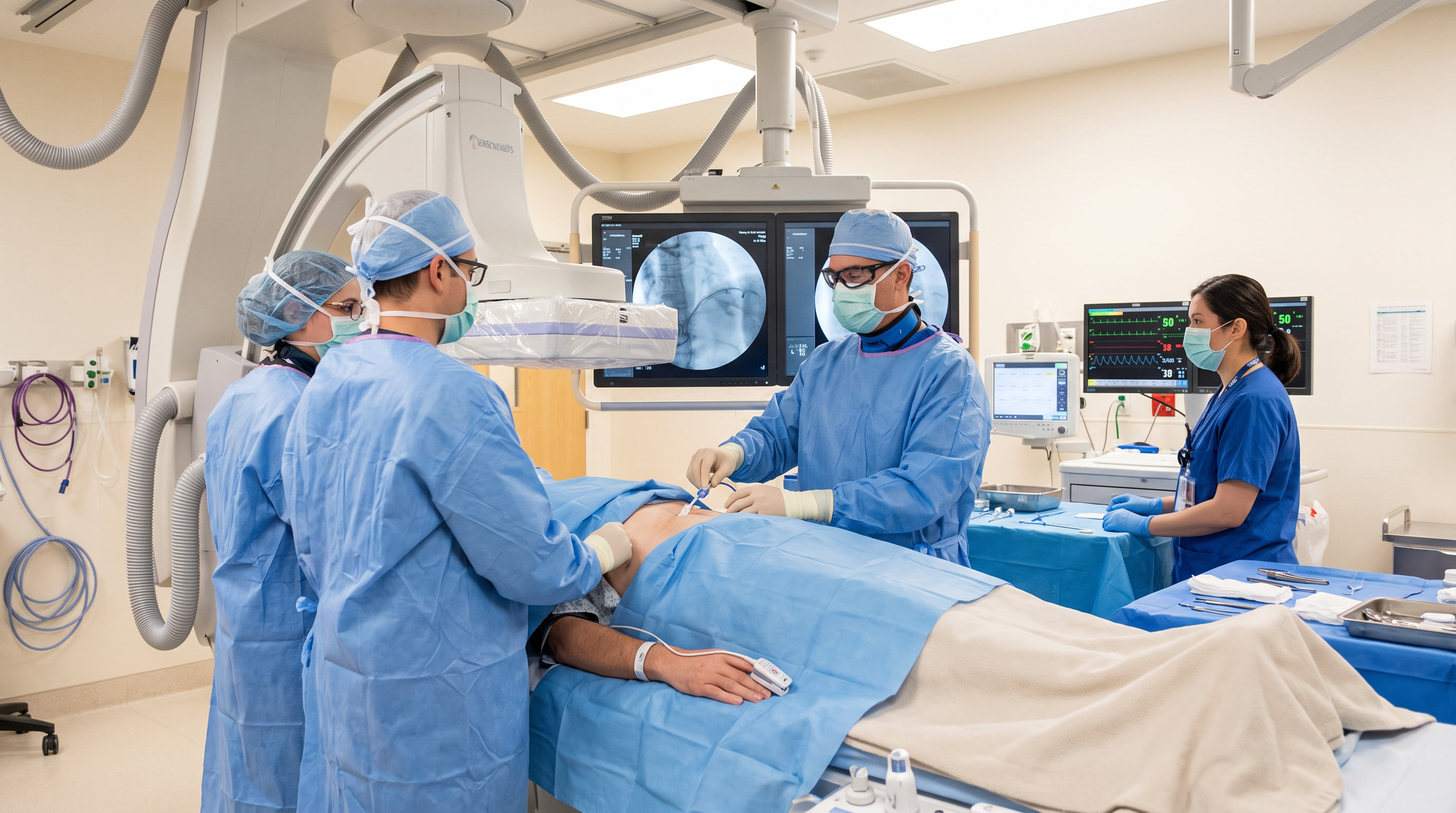
Endovascular treatments are modern interventional methods that allow vascular diseases to be treated from inside the vessel without a surgical incision or using a very small entry site. In these treatments, a thin catheter is usually advanced through the groin, arm or another suitable vessel to reach the problematic area. Depending on the method used, the vessel can be widened, a stent can be placed, a clot can be removed, or the problematic vessel section affecting blood flow can be closed. In this way, an alternative treatment option to classic open surgery can be offered to many patients.
Endovascular treatments can be used in different areas of heart and vascular diseases.Leg artery blockages, carotid artery narrowings, aortic diseases and some venous problems are among the main areas where these methods can be applied. However, the endovascular method is not suitable for every vascular disease. The patient's vascular structure, the location and degree of the disease, the general health condition and previously applied treatments are evaluated together when making the decision. Before the treatment, a detailed examination of the vessels using imaging methods is of great importance in choosing the right method.
Why Are Endovascular Treatments Performed?
The main purpose of endovascular treatments is to correct blood flow within the vessel, to eliminate the narrowing or blockage and to reduce disease-related complaints. The fact that it can be applied through a smaller entry site compared to open surgery can provide significant advantages in suitable patients.
In Which Vascular Diseases Is It Used?
Endovascular methods can be used in different types of arterial and venous diseases. Balloon angioplasty and stenting can be preferred especially for narrowings and blockages in the leg vessels. Carotid stenting can be performed in suitable patients with carotid artery narrowing.
In aortic diseases, on the other hand, by using stent grafts, it may be aimed to separate the problematic section of the vessel wall from the blood flow. In venous diseases, intravascular interventions can also be used for certain narrowings or blockages.
Can It Be an Alternative to Open Surgery?
Endovascular treatments can be an alternative to open surgery in some patients. However, this does not apply to every patient. The anatomical structure of the vessel, the length of the lesion, the location of the blockage and the patient's general health condition affect the choice of treatment.
In some cases, endovascular treatment and open surgery may need to be applied together. Therefore, the treatment decision should be made individually.
How Are Endovascular Treatments Applied?
Endovascular procedures are carried out using special catheters and devices advanced through the vessel. Depending on the type of procedure, local anesthesia or different anesthesia options can be applied. The entry site and the devices to be used are determined according to the vessel where the disease is located.
Balloon Angioplasty and Stent
Balloon angioplasty can be used in the treatment of narrowings inside the vessel. The balloon at the tip of the catheter is delivered to the narrowed area and inflated in a controlled manner, aiming to increase the inner diameter of the vessel.
In some patients, a stent may be placed to help maintain the patency of the vessel. A stent is a special structure that acts as a support inside the vessel. In which patient a stent will be used is determined according to the vascular structure and the characteristics of the narrowing.
Stent Graft Applications
Stent grafts, used especially in certain aortic diseases, are applied to regulate the passage of blood through the problematic section of the vessel wall. The stent graft, delivered into the vessel via a catheter, is placed in the appropriate position and helps blood flow continue through a new pathway.
This method can be considered for the treatment of aortic aneurysm or certain other aortic problems in patients with suitable anatomical features.
Other Intravascular Interventions
Endovascular treatments consist not only of balloon and stent applications. Depending on the type of disease, removal or fragmentation of the clot, closure of certain formations inside the vessel and different special catheter techniques can also be used.
Vascular imaging results play a fundamental role in determining the method to be used. For this reason, the patient's vascular structure must be evaluated in detail before the procedure.
How Is the Evaluation Done Before Endovascular Treatment?
Before planning an endovascular procedure, the patient's complaints, medical history and the characteristics of the existing vascular disease are evaluated. In addition to the physical examination, different methods can be used to visualize the vessels.
Color Doppler Ultrasonography
Color Doppler ultrasonography is one of the frequently used methods, especially in the evaluation of the vessels of the neck, arm and leg. It can provide information about blood flow within the vessel, narrowings, blockages and certain clot conditions.
This examination constitutes one of the first steps of treatment planning in some patients. However, more advanced imaging methods may be needed for more complex vascular diseases.
CT and MR Angiography
Computed tomography angiography and MR angiography allow the vessels to be visualized in more detail. They can provide important information, especially in aortic and large vessel diseases, for evaluating the anatomical structure of the vessels and planning the treatment that can be applied.
Which imaging studies are necessary is determined by the doctor according to the patient's condition. The medications used, kidney functions and existing diseases are also taken into account during the evaluation.
Recovery Process After Endovascular Treatment
The recovery process after endovascular treatments varies according to the type of procedure performed, the entry site and the patient's general health condition. In many procedures, the duration of hospital stay may be shorter compared to open surgery. However, this is not the same for every patient.
What Is Taken Into Consideration After the Procedure?
After the procedure, the entry site is monitored for bleeding, swelling or bruising. It may be necessary to avoid heavy physical activities for the period recommended by the doctor. Especially after procedures performed through the groin, protecting the entry site is important.
In patients with a stent or another intravascular device placed, regular use of the prescribed medications is of great importance. Stopping the medications or changing the dose without the doctor's recommendation is not appropriate.
Why Are Check-ups Important?
Regular check-ups after endovascular treatment are important for monitoring the condition of the treated vessel. In some patients, Doppler ultrasonography or other imaging methods can be used at certain intervals.
If symptoms such as rapidly increasing swelling at the entry site, heavy bleeding, severe pain, marked coldness and discoloration in the leg or arm occur after the procedure, medical evaluation should be sought without delay. Serious symptoms such as sudden chest pain or shortness of breath, on the other hand, require emergency evaluation.
Endovascular treatments offer an important option in the treatment of vascular diseases in suitable patients. Thanks to the fact that they can be applied through smaller entry sites, they can contribute to a more comfortable recovery process in some patients. Nevertheless, the most appropriate treatment method should be determined after the patient's vascular structure and the characteristics of the disease have been evaluated in detail.