










Aortic Aneurysm
An aortic aneurysm is a serious vascular disease that occurs when the wall of the aorta, the artery that carries blood from the heart to different parts of the body, expands more than normal. Because the aorta is the largest artery in the body, structural deterioration in the vessel wall can lead to significant health problems. Aneurysms can progress for a long time without causing any symptoms and are sometimes discovered incidentally during imaging performed for another reason. Therefore, regular check-ups are especially important for people at risk of vascular disease.
An aortic aneurysm can develop in the chest area, in the abdominal area, or in different parts of the aorta. The size of the aneurysm, its location, and the rate of expansion play an important role in the treatment decision. A tear in the aortic wall or rupture of the aneurysm can lead to life-threatening emergencies. High blood pressure, smoking, atherosclerosis, advanced age, a family history of aortic disease, and certain connective tissue disorders can pose a risk. Imaging methods such as ultrasonography, computed tomography, and magnetic resonance imaging are used in diagnosis.
What Causes an Aortic Aneurysm?
An aortic aneurysm can develop as a result of decreased structural integrity of the aortic wall. Weakening of the vessel wall, together with the load that blood pressure places on the vessel, can cause expansion over time.
Aortic Aneurysm Risk Factors
- High blood pressure
- Smoking
- Atherosclerosis (hardening of the arteries)
- Advanced age
- Family history of aortic aneurysm
- Male gender
- High cholesterol
- Previous vascular diseases
- Certain inherited connective tissue disorders
- The aorta having previously been exposed to trauma or surgical procedures
Some aortic aneurysms may also be associated with congenital vascular structure characteristics or genetic diseases. Keeping risk factors under control can help reduce the risk of the aneurysm forming or progressing.
What Are the Symptoms of an Aortic Aneurysm?
An aortic aneurysm can develop for a long time without symptoms. When symptoms do appear, complaints vary depending on the location and size of the aneurysm. Therefore, the absence of symptoms does not mean that the disease is definitely not present.
Symptoms of an Abdominal Aortic Aneurysm
- Constant or recurring pain in the abdominal area
- Pain radiating to the back or lower back
- Feeling a pulsation in the abdomen
- A feeling of fullness or pressure in the abdomen
Abdominal aortic aneurysms can sometimes grow without causing any symptoms. Therefore, it is important that people with risk factors be evaluated in line with the doctor's recommendation.
Symptoms of a Thoracic Aortic Aneurysm
- Pain in the chest or back area
- Shortness of breath
- Cough or hoarseness
- Difficulty swallowing
- In rare cases, voice changes or other signs of compression
Sudden and very severe chest or back pain, fainting, shortness of breath, or sudden deterioration of the general condition may be signs of emergencies such as aortic dissection or aneurysm rupture. In such symptoms, emergency medical help should be sought without delay.
How Is an Aortic Aneurysm Diagnosed?
In the diagnosis of an aortic aneurysm, the patient's medical history, risk factors, and physical examination findings are evaluated. However, since many aneurysms do not cause any symptoms, imaging methods are of great importance for diagnosis.
Imaging Methods
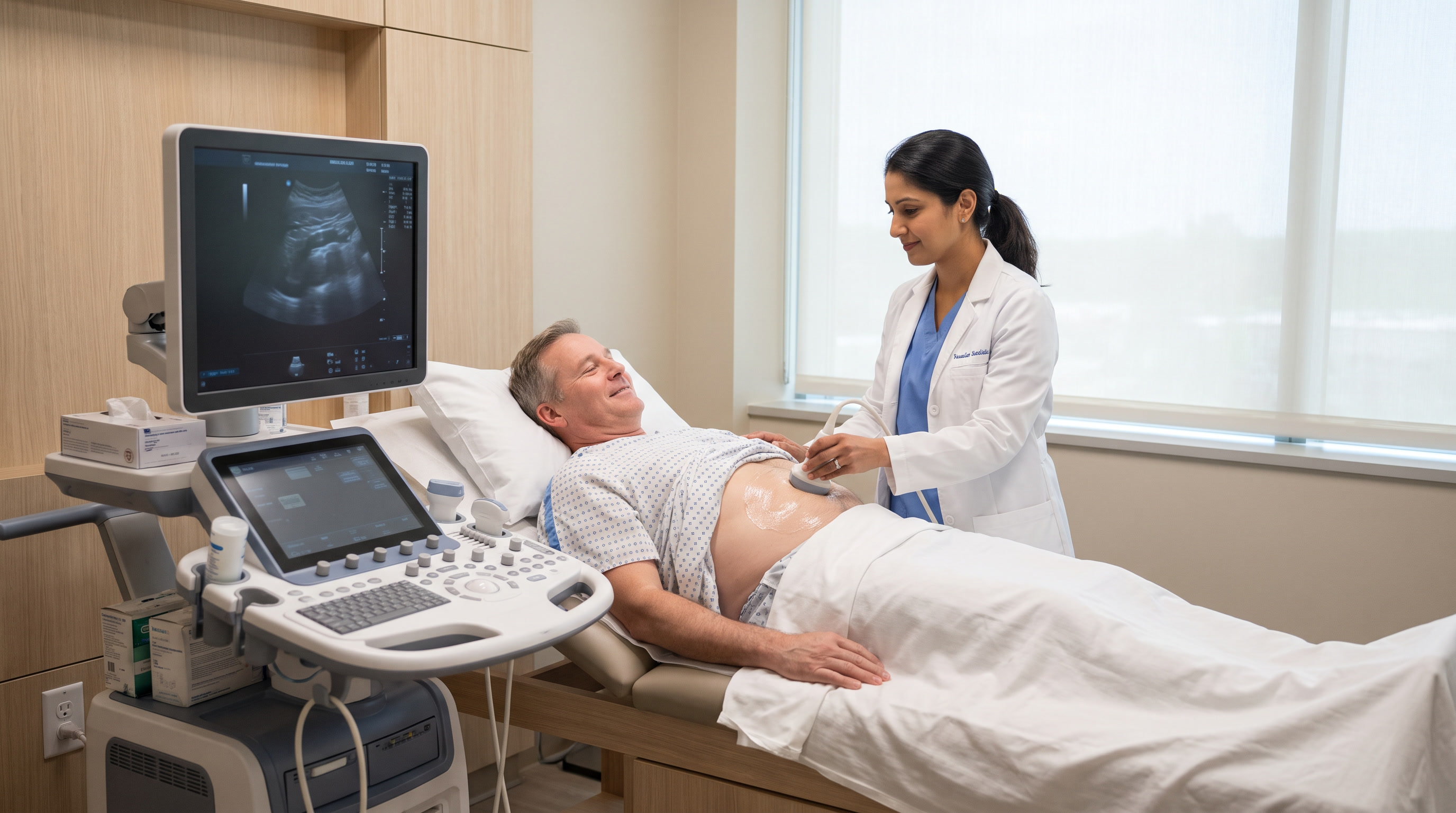
Ultrasonography is a practical and non-invasive method used especially in the evaluation of aortic aneurysms in the abdominal region. It can provide information about the diameter of the aorta and the size of the aneurysm.
Computed tomography (CT) and CT angiography enable more detailed examination of different parts of the aorta and evaluation of the anatomical characteristics of the aneurysm. Magnetic resonance imaging and MR angiography can also be used in suitable patients.
In diagnosis, not only the presence of the aneurysm but also the diameter of the aneurysm, its location, and its growth rate over time are taken into account. This information helps determine whether follow-up or treatment is needed.
How Is an Aortic Aneurysm Treated?
The treatment of an aortic aneurysm is planned according to the size of the aneurysm, its location, its growth rate, the patient's overall health, and the risk of rupture. Some small, low-risk aneurysms may be followed with regular imaging.
Medication Treatment and Follow-up
In patients under follow-up, it is important to keep high blood pressure, cholesterol, and other vascular disease risks under control. Blood pressure and cholesterol control can be achieved with medication treatments deemed appropriate by the doctor. Quitting smoking is also an important step for aortic health.
Changes in the size of the aneurysm are monitored through regular imaging check-ups. The frequency of follow-up is determined according to the patient's condition and the characteristics of the aneurysm.
Surgical and Endovascular Treatments
Interventional or surgical treatment may come to the fore if the aneurysm reaches a certain size, grows rapidly, causes symptoms, or is assessed as having a high risk of rupture. In suitable patients, the aim may be to isolate the aneurysmal region from blood flow from within the vessel using the endovascular stent-graft method.
In some patients, the aneurysmal segment can instead be repaired with open surgery or replaced with an artificial vascular graft. Which method will be preferred is determined by evaluating the location of the aneurysm, its anatomical structure, and the patient's overall health.
Although an aortic aneurysm can lead to serious consequences, it can be kept under control in many patients with early diagnosis and appropriate follow-up. It is especially important that people with risk factors such as high blood pressure, smoking, or a family history of aortic disease do not neglect regular health check-ups. In the event of symptoms such as sudden and severe chest, abdominal, or back pain, urgent medical evaluation is required.