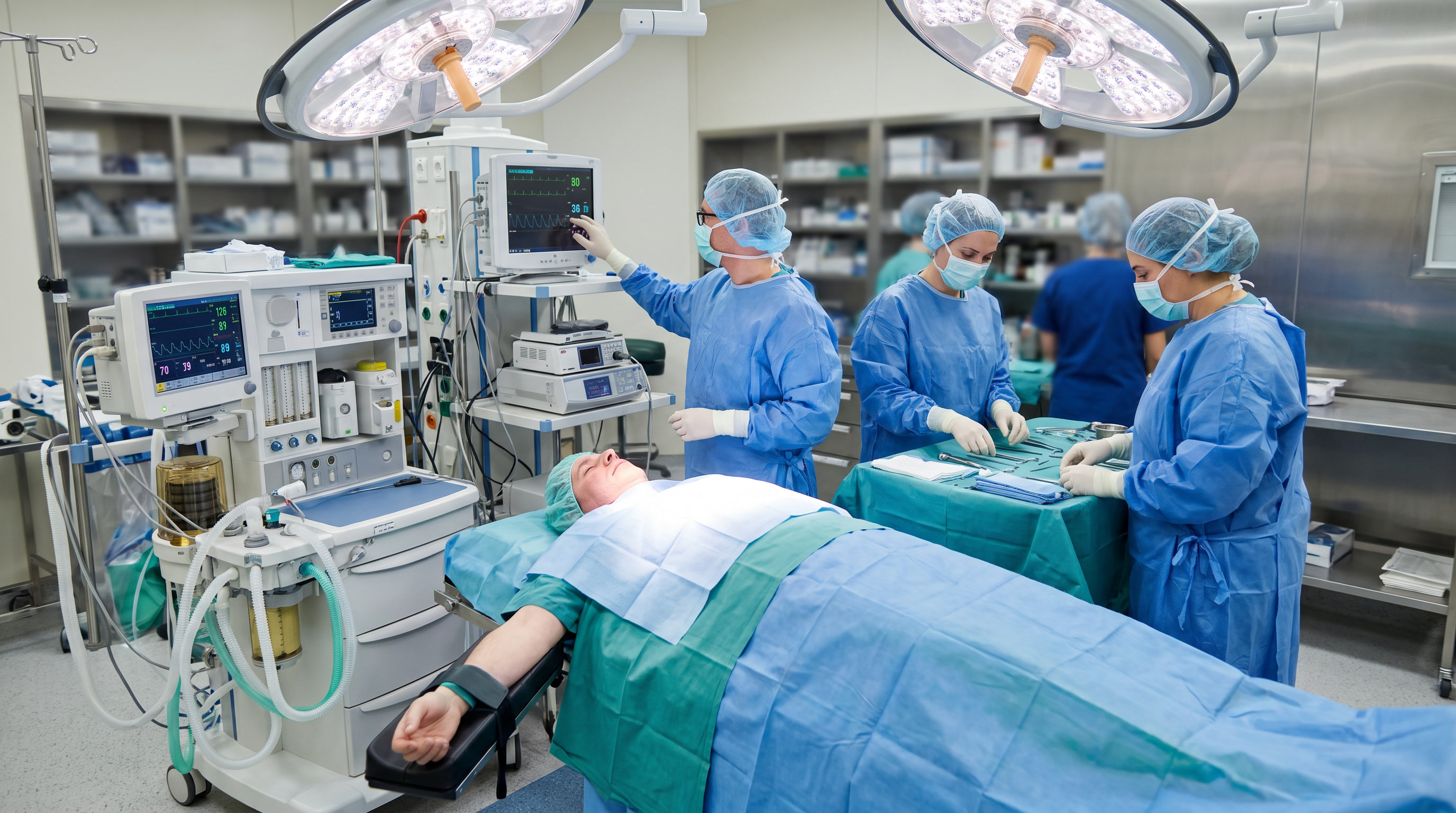
Carotid Surgery
Carotid surgery is one of the surgical methods used to treat advanced narrowing or blockage in the carotid arteries that carry blood to the brain. The buildup of plaque in the carotid arteries due to cholesterol and other vascular disease risk factors can cause narrowing of the vessel diameter and reduced blood flow to the brain. In some patients, fragments breaking off from these plaques can travel to the brain vessels and increase the risk of transient ischemic attack or stroke. Therefore, treatment planning is especially important in patients with significant carotid narrowing and neurological symptoms.Carotid surgery is planned by evaluating the patient's vascular structure, the degree of narrowing, previous neurological events, general health status and other risk factors. The most commonly performed surgical method is carotid endarterectomy. In suitable patients, carotid stenting may also be an alternative treatment option. The aim of treatment is not only to eliminate the existing narrowing but also to reduce the risk of future stroke. During this process, alongside surgical treatment, controlling factors that affect vascular health such as blood pressure, cholesterol, diabetes and smoking is also important.
Why Is Carotid Surgery Performed?
The main purpose of carotid surgery is to reduce the risk of stroke caused by severe narrowing of the carotid artery. Atherosclerotic plaques that develop in the carotid arteries can narrow the vessel lumen over time. As the narrowing progresses, blood flow reaching the brain may decrease, or small clot fragments breaking off from the plaque surface can block the brain vessels.
In Which Patients Is Surgery Considered?
The treatment decision is not based solely on the percentage of carotid narrowing. The patient's symptoms, the characteristics of the narrowing and the overall health status are evaluated together. Surgical treatment may be more strongly considered, especially in patients who have had neurological events such as transient ischemic attack or stroke and have significant carotid narrowing.
In asymptomatic patients, however, the decision to operate is evaluated more carefully. The degree of narrowing, the risk of progression, the patient's age, life expectancy and the risks of surgery are taken into account.
What Are the Risks of Carotid Stenosis?
Untreated advanced carotid narrowing can increase the risk of stroke, especially when accompanied by other vascular diseases and risk factors. Therefore, early evaluation is important. When symptoms such as sudden numbness or weakness in the face or arm, speech difficulties, vision loss or balance problems occur, urgent medical evaluation is required.
How Is Carotid Surgery Performed?
The best-known method of carotid surgery is carotid endarterectomy. During the procedure, the artery is accessed through the neck region and the plaque obstructing blood flow within the carotid artery is surgically removed. In this way, the vessel lumen is widened to improve the blood flow to the brain.
The way the surgery is performed may vary depending on the patient's vascular structure and the surgical evaluation. Necessary measures are taken during the procedure to safely maintain blood flow in the vessel.
Carotid Endarterectomy
In carotid endarterectomy, the artery is opened and the atherosclerotic plaque on the vessel wall is removed. The artery is then closed again and continuity of blood flow is checked. In some patients, patch material may be used to help preserve the patency of the artery.
Close monitoring of the neurological status during and after surgery is important. The patient's blood pressure and other vital signs are also kept under control.
Carotid Stenting
Open surgery may not be suitable for every patient. In some patients, carotid stenting may be considered as an alternative due to factors such as vascular structure, previous neck surgeries or a history of radiotherapy.
Stenting is usually performed with a catheter through the inside of the vessel. The aim is to reach the narrowed area, increase the patency of the vessel and place a stent. The choice of method is determined by evaluating the patient's individual characteristics and vascular anatomy.
What Preparations Are Made Before Carotid Surgery?
Before the surgery, the patient's general health status and the characteristics of the narrowing in the carotid arteries are evaluated in detail. The aim is both to determine the necessity of the treatment and to reduce as much as possible the risks that may occur during the operation.
Diagnostic and Imaging Methods
Color Doppler ultrasonography is usually the first method used to evaluate carotid narrowing. This examination helps assess the blood flow within the vessel and the characteristics of the narrowing.
In patients where necessary, more detailed imaging methods such as computed tomography angiography or magnetic resonance angiography can be used. These examinations can provide more detailed information about the location, length and vascular anatomy of the narrowing.
Preoperative Evaluation
Additional cardiological evaluations may be performed in patients at risk for heart and vascular diseases. Blood tests, electrocardiography and other tests deemed necessary can be part of the preparation for surgery.
The way to adjust medications before surgery, especially blood thinners or antiplatelet drugs, should be determined by the doctor. It is not appropriate for the patient to stop taking medication or change the dose on their own.
Recovery Process After Carotid Surgery
After carotid surgery, the patient needs to be followed up in the hospital for a period of time. It is especially important to keep blood pressure under control and monitor the neurological status in the early period after the operation. The length of hospital stay may vary depending on the patient's general condition and the treatment method applied.
What Should Be Considered After the Surgery?
After surgery, it is important to keep the incision site clean and dry, to use the medications recommended by the doctor regularly and not to miss follow-up appointments. The time to return to physical activity is determined according to the patient's condition and the characteristics of the procedure performed.
Moreover, carotid surgery does not completely eliminate the underlying causes of the vascular disease. Therefore, measures to protect vascular health should be continued afterwards as well.
Lifestyle to Reduce the Risk of Stroke
Blood pressure and cholesterol control, regular monitoring of diabetes, quitting smoking, balanced nutrition and physical activity to the extent the doctor deems appropriate contribute to protecting vascular health. If necessary, cholesterol-lowering drugs or treatments to prevent clot formation can be used.
If symptoms such as sudden loss of strength or numbness in the face, arm or leg, speech difficulties, vision changes, severe dizziness or altered consciousness develop after carotid surgery, immediate medical help should be sought. These symptoms are important warnings that need to be evaluated in terms of stroke.