Varicose Vein Treatment
Varicose veins are a common vascular problem that occurs when the veins, mainly in the legs, widen, become tortuous and become more prominent on the surface of the skin. As a result of the valves that carry blood toward the heart not working properly, blood can pool in the legs and the veins can widen over time. Varicose veins should not be considered merely a cosmetic problem; they can also cause complaints such as pain, heaviness, swelling, burning, itching and night cramps in the legs. In advanced cases, skin discoloration, hardening and wounds that are difficult to heal may develop.
Varicose vein treatment is planned according to the degree of the disease, the structure of the veins, the severity of the complaints and the cause of the venous insufficiency.
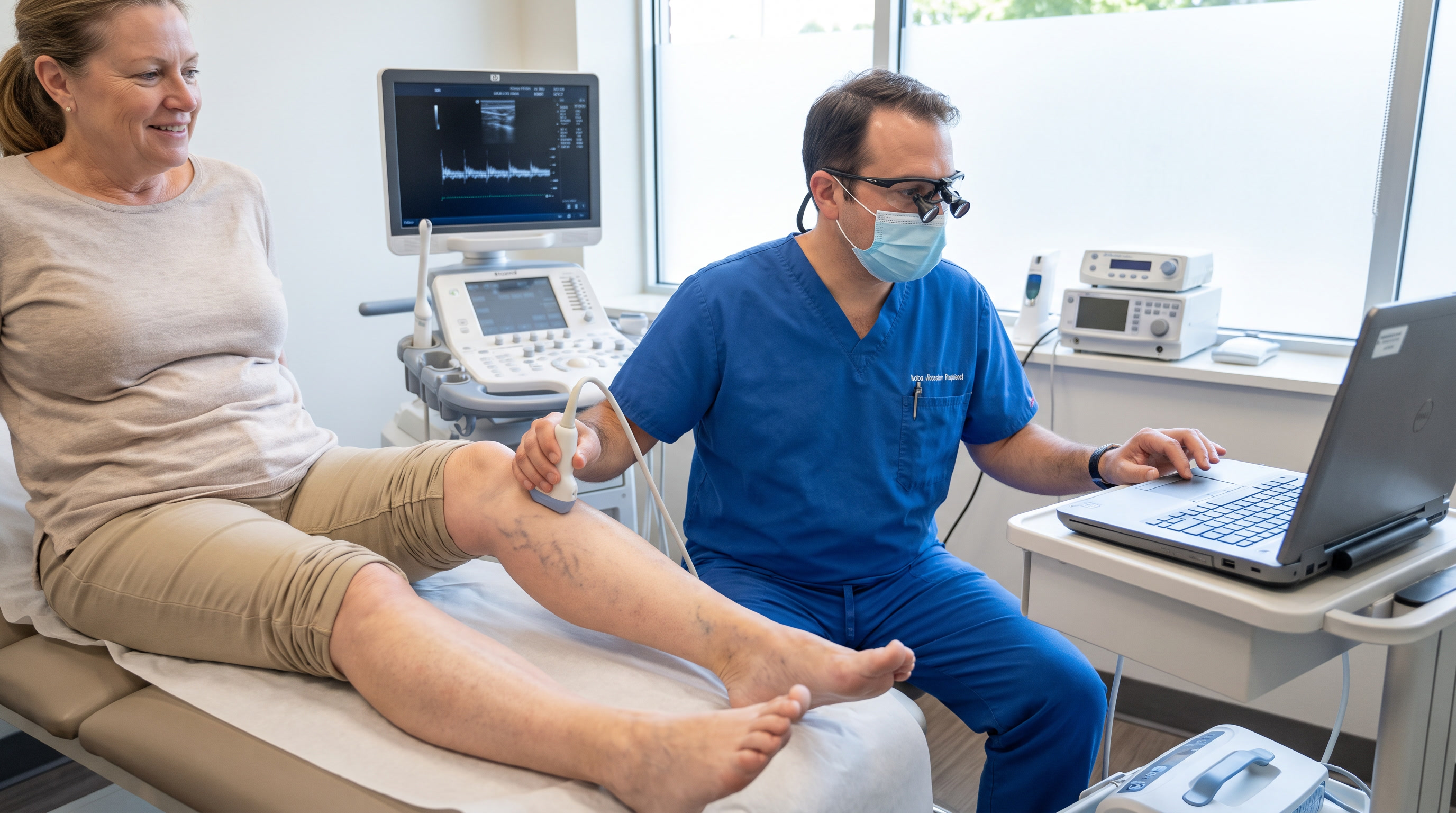
Surgical treatment is not necessary in every patient. While lifestyle changes and compression therapy are sufficient for some people, laser, radiofrequency, foam sclerotherapy or surgical methods may be used in suitable patients. Before treatment, a detailed vascular examination and evaluation of the veins with color Doppler ultrasonography play an important role in determining the right method.
Why Is Varicose Vein Treatment Performed?
The main purpose of varicose vein treatment is to regulate blood flow in the veins, reduce complaints and prevent vascular problems that may progress. The treatment decision is not made solely based on the appearance of the veins. The symptoms experienced by the patient, the degree of venous insufficiency and its effects on daily life are also taken into account.
In Which Cases May Treatment Be Necessary?
Pain, fullness, burning, itching and swelling in the legs that increase with prolonged standing may be related to varicose veins. Particularly the leg swelling and feeling of heaviness that become evident at the end of the day may require an evaluation of the venous circulation.
With the progression of varicose veins, brownish skin discoloration, eczema-like problems or wounds that take a long time to heal may be seen. Inflammation and clot formation in the superficial veins may also occur in some patients. For this reason, it is important that patients with obvious or progressive complaints be evaluated by a vascular disease specialist.
Treatment for Cosmetic Purposes
Although spider veins and superficial varicose veins may not cause any health problem in some people, they can be a cause of aesthetic discomfort. In this case, sclerotherapy, laser or similar methods may be considered. However, before the procedure, it should be investigated whether there is an underlying venous insufficiency.
Which Methods Are Used in Varicose Vein Treatment?
The method to be used in varicose vein treatment varies according to the structure of the veins and the level of the disease. Today, less invasive methods applied from inside the vein are preferred over open surgery in many patients.
Lifestyle Changes and Compression
In mild varicose veins and some cases of venous insufficiency, regular walking, avoiding prolonged inactivity, weight control and resting the legs may be beneficial. When deemed appropriate by the doctor, compression stockings can also support venous circulation.
These practices may not eliminate varicose veins completely, but they can help control complaints and support blood circulation in the legs.
Sclerotherapy and Foam Treatment
In sclerotherapy, a special drug is administered into the affected vein to close it. It can be used especially for small and medium-sized varicose veins. Applying the drug in foam form may be preferred for the treatment of some larger diameter superficial veins.
The procedure usually does not require hospitalization. Suitable patients can return to daily life within a short time. After the treatment, compression may need to be applied for the period recommended by the doctor.
Laser and Radiofrequency Treatment
In endovenous laser and radiofrequency methods, a thin catheter is placed inside the affected vein and the vein is closed in a controlled manner. Blood flow is redirected to healthy veins over time.
These methods are usually applied through a small entry site and may cause less tissue damage compared to classic surgery. However, they may not be suitable for every patient. The decision is made by evaluating the diameter of the vein, its anatomical structure and the characteristics of the reflux.
How Is the Evaluation Done Before Varicose Vein Treatment?
In order to create a successful treatment plan, it must first be determined which veins the varicose veins originate from. For this purpose, in addition to physical examination and a detailed patient history, color Doppler ultrasonography is commonly used.
Color Doppler Ultrasonography
Color Doppler ultrasonography helps evaluate the direction and speed of blood flow in the veins. The function of the venous valves, whether there is a leak, that is, reflux, the width of the veins and the presence of clots can be examined.
Thanks to this evaluation, not only the varicose veins visible on the skin surface but also the veins beneath them, which may be the source of the problem, are examined. In this way, it becomes possible to plan the treatment more accurately.
How Is the Decision on the Treatment Method Made?
In the choice of treatment, the patient's complaints, the extent of the varicose veins, the anatomical features of the veins, previously applied treatments and the general health condition are evaluated together. The method used for small capillary veins is not the same as the method used for major venous insufficiency.
Applying the same treatment to every varicose vein patient is not correct. Therefore, instead of starting self-treatment with information obtained from the internet or choosing a procedure only on the basis of aesthetic appearance, a specialist evaluation should be performed.
What Should Be Considered After Varicose Vein Treatment?
The recovery process after varicose vein treatment varies according to the method applied and the patient's general condition. After endovenous treatments, many patients can return to their daily activities within a short time. However, following the doctor's recommendations is important for the success of the treatment.
Moving Is Important
After the treatment, walking to the extent permitted by the doctor is generally recommended instead of remaining immobile for a long time. Regular movement helps support blood circulation in the leg veins. Moving at regular intervals instead of sitting or standing still for long periods is also beneficial.
Do Varicose Veins Recur?
Even though the veins treated with varicose vein therapy have been targeted, the venous disease may not have completely disappeared. New varicose veins may develop in other veins over time. For this reason, weight control, regular physical activity, avoiding prolonged inactivity and doctor's check-ups are important.
If unexpected symptoms such as sudden and marked swelling in the leg, severe pain, redness or shortness of breath occur after treatment, medical evaluation should be sought without delay. In particular, symptoms such as sudden shortness of breath and chest pain require emergency evaluation.
The aim of varicose vein treatment is not only to eliminate the visible veins, but also to identify the source of the problem in the venous circulation and to plan an appropriate and safe treatment for the patient. Regular follow-up and a personalized treatment approach are important both for reducing existing complaints and for preventing the progression of the disease.