










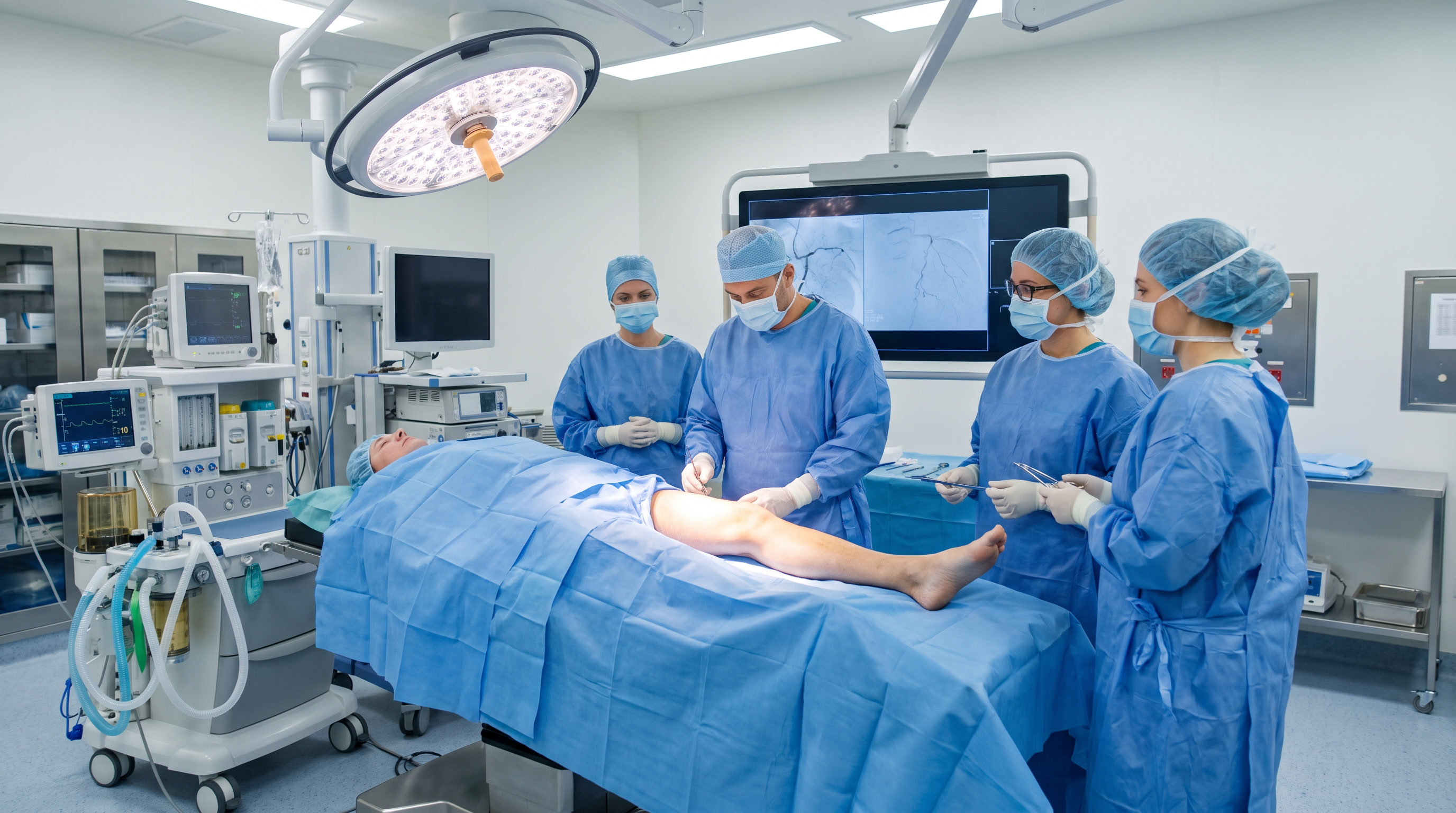
Peripheral Vascular Surgery
Peripheral vascular surgery covers the surgical methods applied in the treatment of severe narrowing, blockage, aneurysm and other vascular diseases affecting the vessels other than the heart and the brain. Particularly in the leg and arm vessels, arteriosclerosis can reduce blood flow and prevent tissues from receiving sufficient oxygen. As the disease progresses, pain in the legs while walking, coldness, numbness, non-healing wounds and, in advanced cases, tissue loss can be seen.
The aim of peripheral vascular surgery is to improve blood circulation in the affected area and to ensure sufficient blood supply to the tissues. Depending on the condition of the disease, methods such as open surgical bypass, removal or repair of the blockage inside the vessel may be applied. In suitable patients, endovascular treatments such as balloon angioplasty and stenting may also be preferred. The treatment decision is determined individually by evaluating the location and extent of the vascular disease, the patient's complaints, walking capacity, whether there is tissue loss, and the general health condition.
Why Is Peripheral Vascular Surgery Performed?
The main purpose of peripheral vascular surgery is to restore blood flow in cases where the vessels are severely narrowed or blocked, and to prevent tissue damage that may develop as a result. One of the most common causes is atherosclerosis, which develops due to the accumulation of cholesterol and fat in the vessel wall.
Conditions That May Require Peripheral Vascular Surgery
- Advanced leg artery blockage
- Leg pain that occurs with walking and significantly affects quality of life
- Severe leg or foot pain that continues during rest
- Non-healing foot and leg wounds
- Risk of tissue loss or gangrene
- Acute arterial blockage
- Peripheral vascular aneurysms
- Previously performed vascular treatment proving insufficient or re-blockage
Surgery is not required in every peripheral vascular disease. In the early stages of the disease, quitting smoking, regular exercise, improving dietary habits, controlling cholesterol and blood pressure, and appropriate medication may provide significant benefit. However, interventional or surgical treatment may come into question in cases where blood flow is severely impaired.
Which Tests Are Performed Before Peripheral Vascular Surgery?
Before planning treatment, the area of the vascular disease and the degree to which blood flow is affected are determined. The patient's complaints, walking distance, previous vascular diseases and existing risk factors are evaluated. Particular attention is paid to factors that are important for vascular disease, such as diabetes, hypertension, high cholesterol and smoking.
Methods Used in Diagnosis and Surgical Planning
- Color Doppler ultrasonography: A noninvasive method frequently used to evaluate the structure of vessels and blood flow.
- Ankle-brachial index (ABI): Helps evaluate blood flow in the legs.
- CT angiography: Can be used to visualize blocked or narrowed areas of the vessels in detail.
- MR angiography: May be preferred in some patients to evaluate the vascular structure.
- Catheter angiography: Provides direct visualization of the vessels and may also allow treatment planning in the same session in suitable patients.
The results of these examinations reveal the length of the vascular disease, the location of the blockage and the condition of the surrounding vessels. In this way, open surgery and endovascular treatment options can be compared and the most suitable method for the patient can be determined.
How Is Peripheral Vascular Surgery Performed?
The method to be applied in peripheral vascular surgery varies according to the characteristics of the vascular disease. In some patients, blood flow is restored through interventions performed inside the vessel, while open surgical bypass may be required in long or complex blockages. The aim is to ensure that sufficient blood reaches the tissues beyond the blocked vessel segment.
Peripheral Vascular Bypass Surgery
In bypass surgery, an alternative pathway for blood is created to bypass the blocked or severely narrowed vessel segment. For this purpose, one of the patient's own vessels or a suitable artificial vascular graft may be used. By directing blood flow beyond the blocked area, it is aimed to improve circulation in the leg or the relevant area.
The area where the bypass will be performed is determined according to the location of the blockage and the condition of the healthy vessels. The scope of the surgery may vary accordingly.
Endovascular Treatments
In suitable patients, treatment can be performed inside the vessel without the need for a surgical incision. During balloon angioplasty, a small balloon is advanced to the narrowed area and the aim is to increase the vessel diameter. In some cases, a stent may be placed to help keep the vessel open.
Endovascular methods can be a less invasive option, particularly in patients with certain anatomical features. However, not every vascular blockage can be treated with these methods. The length of the blockage, the vessel diameter, the degree of calcification and the patient's general condition affect the choice of treatment.
Recovery After Peripheral Vascular Surgery
The recovery process after peripheral vascular surgery varies according to the treatment method applied. While the hospital follow-up period may be longer after open bypass operations, recovery may occur in a shorter time after some endovascular procedures. The blood circulation in the patient's leg or arm, the wound area and the general health condition are checked regularly.
What Should Be Considered After Surgery?
- Taking the medications prescribed by the doctor regularly
- Quitting smoking completely
- Keeping blood sugar, blood pressure and cholesterol under control
- Following the exercise program recommended by the doctor
- Regularly checking wounds that may develop on the feet and legs
- Carrying out the care of the surgical or intervention area in accordance with the recommendations
- Not neglecting regular vascular check-ups and necessary Doppler examinations
Lifestyle changes after peripheral vascular surgery are important in supporting the long-term success of the treatment. Especially quitting smoking, regular physical activity and controlling the risk factors that cause vascular disease can help reduce the risk of developing new vascular problems. If sudden coldness, discoloration, severe pain, numbness or loss of movement occurs in the leg or arm, urgent medical evaluation is required.