










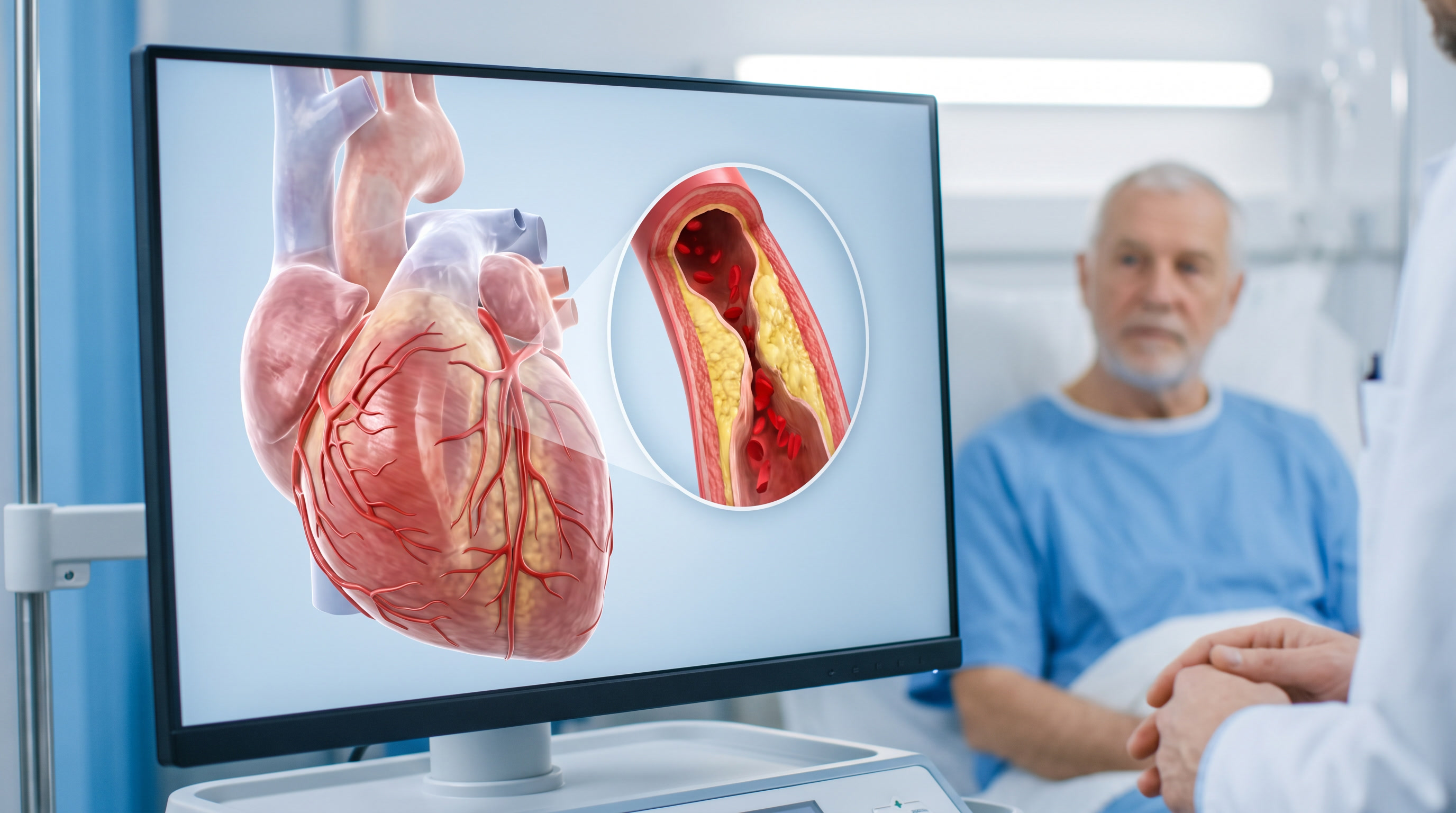
Coronary Artery Disease
Coronary artery disease is an important cardiovascular disease that occurs when the coronary arteries supplying the heart narrow or become blocked, preventing sufficient blood and oxygen from reaching the heart muscle. The disease is mostly associated with the process of atherosclerosis, which develops as cholesterol and other substances accumulate on the walls of the arteries. Coronary artery disease, which may not cause symptoms in the initial period, can lead to complaints such as chest pain, shortness of breath, easy fatigue and a feeling of pressure during exertion in later stages. In some cases, the first symptom may be a heart attack. Therefore, it is very important to know the risk factors and not to neglect regular health check-ups.
Smoking, high blood pressure, high cholesterol, diabetes, excess weight, a sedentary lifestyle and a family history of cardiovascular disease can increase the risk. In the assessment of coronary artery disease, the person's complaints, medical history and the required tests are evaluated together. The treatment approach may vary depending on the severity of the disease and the person's general health status. Lifestyle changes, medication therapy and, in suitable patients, interventional methods may be part of the treatment plan.
What Causes Coronary Artery Disease?
The most common cause of coronary artery disease is the process of vascular hardening known as atherosclerosis. In this process, plaques formed by cholesterol, fat, calcium and various cellular debris can accumulate on the inner surface of the arteries over time. The growth of the plaques can narrow the diameter of the vessel and reduce the amount of blood reaching the heart muscle.
There is no single cause in the development of the disease. The combination of more than one risk factor can adversely affect vascular health. High LDL cholesterol, hypertension and diabetes hold an important place among these risk factors. Smoking can also damage the inner structure of the vessels and increase the risk of the disease.
Main risk factors
- Smoking and use of tobacco products
- High blood pressure
- High LDL cholesterol
- Diabetes and insulin resistance
- Excess weight and obesity
- Sedentary lifestyle
- Unhealthy and unbalanced nutrition
- Family history of cardiovascular disease at an early age
- Advanced age
While some risk factors can be changed, factors such as age and genetic predisposition cannot be changed. Therefore, personal risks need to be evaluated as a whole.
What Are the Symptoms of Coronary Artery Disease?
Symptoms of coronary artery disease can vary depending on how much the vessels have narrowed and how much the heart is affected. In some people, the disease can progress silently for a long time. Symptoms can become more pronounced especially when the heart's oxygen demand increases during physical activity.
One of the most common complaints is a feeling of pressure, tightness or heaviness in the middle of the chest. This discomfort can sometimes spread to the left arm, shoulder, back, neck or jaw. Chest pain may not always appear in the same way. In some people, shortness of breath, easy fatigue during normal activities, sweating, nausea or dizziness may be the leading symptoms.
When should symptoms be taken seriously?
Newly onset, severe or rest-unrelenting pain in the chest, marked difficulty in breathing, cold sweating, fainting or severe weakness are symptoms that may require urgent assessment. Especially in complaints that may suggest the possibility of a heart attack, emergency health services should be used without delay.
How Is Coronary Artery Disease Diagnosed?
The diagnosis of coronary artery disease is not made based on the result of a single test alone. First, the doctor evaluates the person's complaints and risk factors. Then the necessary examinations and tests are planned. The aim is to assess the blood supply of the heart muscle and the condition of the coronary arteries, while also ruling out other causes.
During the assessment, methods such as blood tests, electrocardiography (ECG), echocardiography and, in suitable patients, an exercise stress test can be used. In some people, coronary computed tomography angiography or other imaging methods may be preferred. Coronary angiography may be performed in cases requiring further assessment.
Why is personal assessment important in diagnosis?
Every patient's complaints and risk profile are different. Therefore, which test will be used is determined according to the person's age, symptoms, existing diseases and the doctor's clinical assessment. Information on the internet does not replace personal diagnosis or treatment.
How Is Coronary Artery Disease Treated?
Treatment of coronary artery disease is planned by taking into account the degree of narrowing of the vessel, the severity of the symptoms and the person's general health status. The main goals of the treatment are to support adequate blood supply to the heart, to keep the symptoms under control and to reduce the risk of serious complications such as a heart attack.
In the first stage, lifestyle changes hold an important place. Following the doctor's recommendations, quitting smoking, eating a balanced diet, engaging in appropriate physical activity, maintaining a healthy body weight and ensuring the control of blood pressure and blood sugar are valuable for cardiovascular health.
Depending on the patient's condition, medications may be used to control cholesterol, blood pressure or the workload of the heart. Medication therapy should be personalized and must not be started or discontinued without a doctor's recommendation.
Which methods can be applied in advanced vessel narrowing?
In some patients for whom medication and lifestyle changes are not sufficient or whose vessel structure is suitable, percutaneous coronary interventions can be performed. Balloon angioplasty and stent placement are among the methods aimed at improving blood flow in the coronary artery. In more widespread or complex vascular diseases, coronary artery bypass surgery may come to the fore.
Coronary artery disease is a condition that needs to be closely monitored in terms of reducing risks and planning appropriate treatment when it is detected early. Regular doctor check-ups, management of risk factors and healthy lifestyle habits can help prevent the progression of the disease. People experiencing chest pain or sudden symptoms suggestive of a heart attack should receive urgent medical assessment.