










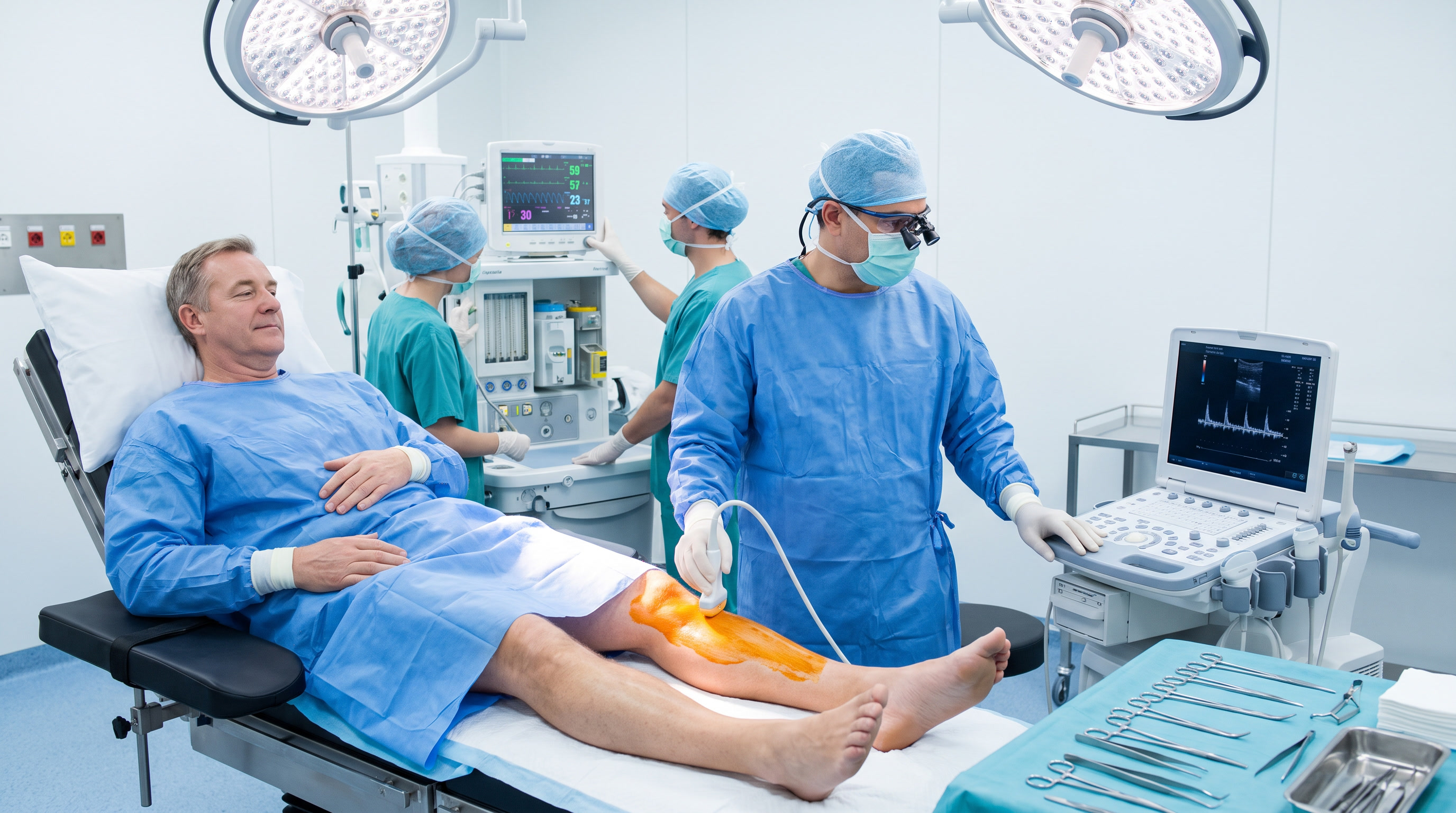
Varicose Vein Surgery
Varicose vein surgery is one of the methods used in the treatment of varicose veins, which occur as a result of the widening and becoming prominent of the veins in the legs. Varicose veins do not only create an aesthetic problem; in some patients they can also cause complaints such as pain, a feeling of heaviness, burning, itching, swelling and night cramps in the legs. In advanced cases, skin discoloration, hardening and wounds that are difficult to heal can develop. The method to be applied in the treatment of varicose veins is determined by evaluating the structure of the veins, the extent of the varicose veins, the patient's complaints and the general health status.
Today, in addition to classical surgery, less invasive methods applied through the inside of the vessel such as laser and radiofrequency are also used. For this reason, not every patient with varicose veins needs surgery. First, the condition of the veins is evaluated with an examination and color Doppler ultrasonography. The treatment decision is made according to the degree of venous insufficiency and the needs of the patient. The main purpose of varicose vein surgery is to reduce the negative effect of the problematic veins on circulation, to eliminate the complaints and, in suitable patients, to help prevent the progression of the disease.
Why Is Varicose Vein Surgery Performed?
Varicose veins can occur as a result of the accumulation of blood in the leg veins due to the inadequate functioning of the venous valves. The increase in pressure inside the vein causes the veins to widen over time and become prominent on the skin surface. In mild varicose veins, lifestyle changes and supportive treatments deemed appropriate by the doctor may be sufficient. However, interventional treatments may be considered in patients with a severe degree of venous insufficiency or complaints affecting daily life.
Especially increased leg pain, swelling, burning, a feeling of heaviness when standing for long periods and changes in the skin may require an evaluation of the need for treatment. An appropriate treatment method can also be planned in patients with skin wounds related to varicose veins or significant venous insufficiency.
Is Varicose Vein Surgery Applied to Every Patient?
No. Surgical intervention is not necessary in every patient with varicose veins. The treatment choice is made by taking into account the way the veins function and the patient's complaints rather than the appearance of the varicose veins. While only follow-up and lifestyle changes are recommended in some patients, laser, radiofrequency, sclerotherapy or surgical methods can be used in others.
How Is Varicose Vein Surgery Performed?
The procedure to be applied in the treatment of varicose veins varies according to the patient's vein structure. In the classical surgical method, the problematic vein is reached through small incisions and the vessel that has lost its function can be removed. Today, however, in suitable patients, methods applied by placing a catheter into the vein are preferred more often.
In endovenous laser treatment, a thin catheter is placed into the problematic vein. By using laser energy, the vein wall is affected in a controlled way and the vein is closed. In the radiofrequency method, heat energy is used in a similar way. The closed vein is absorbed by the body over time and blood flow continues through the healthy veins.
Why Is Color Doppler Ultrasonography Important?
Before varicose vein treatment, color Doppler ultrasonography is an important evaluation method. Thanks to this examination, blood flow in the veins, the functioning of the valves, the width of the veins and the areas with reflux can be determined. The results obtained help determine which veins need to be treated.
Preparation Before Varicose Vein Surgery
Before the procedure, the patient's general health status is evaluated and information is obtained about the medications used. Patients using blood thinners should not stop these medications on their own. In necessary cases, the doctor decides how the medications will be adjusted before the procedure.
The anesthesia method may vary depending on the type of varicose vein treatment. Some endovenous procedures can be performed under local anesthesia. Before the procedure, detailed information is given to the patient about the method to be applied, the possible risks and the process after the procedure.
Recovery Process After Varicose Vein Surgery
The recovery time after varicose vein surgery varies according to the method applied. In minimally invasive procedures performed through the inside of the vein, patients can usually return to their daily activities within a short time. In classical surgical practices, however, the recovery process can be longer.
After the procedure, the use of compression stockings may be requested for the period recommended by the doctor. Controlled walking in the early period can help support blood circulation. However, the doctor's recommendations should be followed regarding when to start heavy exercise, standing for long periods or intense physical activities.
What Should Be Considered After the Surgery?
After the surgery or intervention, it is important to keep the incision and procedure areas clean. If symptoms such as excessive pain, significant swelling, bleeding, discharge in the wound area or fever occur, a healthcare facility should be consulted. In addition, the medications recommended by the doctor should be used regularly and follow-up appointments should not be missed.
It is also important to maintain healthy life habits after varicose vein treatment. Moving regularly, avoiding prolonged inactivity, maintaining a healthy weight and using compression stockings as recommended by the doctor can help support venous health.
What Are the Risks of Varicose Vein Surgery?
As with every medical procedure, varicose vein surgeries also have some risks. Depending on the method applied, bruising, pain, swelling, bleeding, infection or temporary sensation changes can occur. In rarer cases, complications such as clot formation inside the vein can occur.
In the evaluation of the risks, the patient's general health status, the medications used, the vein structure and the treatment method to be applied are important. For this reason, the existing diseases and the medications used should be shared with the doctor before the procedure.
What Can Be Done to Prevent Varicose Vein Formation?
Various factors such as genetic predisposition, age, excess weight, standing for long periods and a sedentary lifestyle can play a role in the formation of varicose veins. Although it is not possible to completely prevent all varicose veins, some lifestyle habits can contribute to protecting venous health.
Walking regularly, not staying in the same position for long periods, maintaining a healthy weight and resting the legs appropriately during the day can be beneficial. It is especially recommended that people who have to sit or stand for long periods move at regular intervals.
When Should a Doctor Be Consulted for Varicose Veins?
When progressively increasing swelling, pain, burning, changes in skin color, prominent vein widenings or non-healing wounds occur in the legs, it is important to be evaluated for vascular diseases. Symptoms such as sudden unilateral leg swelling, severe pain or shortness of breath, on the other hand, require urgent medical evaluation.
The most appropriate method in varicose vein treatment can vary from person to person. For this reason, rather than making a decision only based on the appearance of the varicose veins, an ultrasonographic evaluation of the veins should be performed and the treatment plan should be created by a specialist physician.