










Coronary Bypass
Coronary bypass is an important cardiac surgery method applied when the blood flow reaching the heart is insufficient due to the narrowing or blockage of the coronary arteries that feed the heart muscle. In coronary artery disease, as plaque formation progresses on the inner surface of the arteries, sufficient oxygen may not be delivered to the heart muscle. This condition can cause chest pain, shortness of breath, and various complaints that occur with exertion. In advanced vascular disease, the risk of a heart attack may increase.
In coronary bypass surgery, a new conduit is created beyond the narrowed or blocked segment of the coronary artery. Thus, an alternative route is provided for blood to reach the heart muscle. For this purpose, healthy vessels taken mostly from the chest or leg are used. The decision for coronary bypass is made by evaluating together the location and extent of the vessel blockages, the pumping power of the heart, the patient's overall health, and other treatment options.
Why Is a Coronary Bypass Performed?
The main purpose of coronary bypass is to improve the blood supply to the heart muscle and reduce complaints related to coronary artery disease. Plaques formed in the coronary arteries narrow the diameter of the vessel and limit blood flow. Bypass surgery may come to the fore especially when there is severe narrowing in more than one vessel or when important vessel regions are affected.
Conditions That May Require Coronary Bypass
- Presence of advanced narrowing or blockage in more than one coronary artery
- Severe narrowing in one of the heart's important arteries
- Chest pain that continues despite medication treatment
- Vessel structure not suitable for angioplasty or stent treatment
- Serious vessel blockages persisting after a heart attack
- The pumping function of the heart being affected by coronary artery disease
- Widespread coronary artery disease accompanied by additional risk factors such as diabetes
Bypass surgery is not necessary in every coronary artery patient. In some patients, medication treatment or angioplasty and stent placement may be sufficient. The choice of treatment is determined individually based on the results of examinations, especially coronary angiography.
What Evaluations Are Performed Before a Coronary Bypass?
Before coronary bypass is planned, the patient's heart and vascular health is evaluated in detail. First, the complaints, previous heart diseases, medications used, and current risk factors are reviewed. Then, various tests may be performed to reveal the condition of the heart and coronary arteries.
Examinations Used in Diagnosis and Surgical Planning
- Coronary angiography: It is one of the basic methods for showing the location and degree of narrowing and blockages in the coronary arteries.
- Echocardiography: It provides information about the contraction strength of the heart, its valves, and general functions.
- Electrocardiography: It helps evaluate the electrical activity of the heart and some past or ongoing heart problems.
- Blood tests: Blood sugar, cholesterol, kidney functions, and other important values are evaluated.
- Lung and vascular assessments: They may be performed to determine the general health status before surgery and to evaluate the vessels that can be used.
The medications used before surgery are also reviewed by the doctor. In particular, the use of blood-thinning medications can be important in terms of the timing of surgery and the preparation process. The surgical plan is created by also taking into account the patient's other existing diseases.
How Is a Coronary Bypass Operation Performed?
The aim in coronary bypass surgery is to create a new conduit that will allow blood to pass the narrowed or blocked vessel region and reach the heart muscle. During this procedure, healthy vessels taken from different parts of the body can be used. Arteries inside the chest, the radial artery, or the leg vein can be preferred according to the patient's vascular structure and surgical requirements.
Vessels Used During Surgery
Arteries taken from inside the chest are among the frequently used grafts in terms of long-term patency. In some patients, the leg vein or the artery in the arm can also be used as a bypass graft. Which vessel will be used is determined by evaluating the structure of the vessels and the patient's general health.
The way the operation is performed may vary according to the patient. In the traditional method, the heart can be temporarily stopped using a heart-lung machine. In suitable patients, techniques that allow bypass to be performed while the heart is beating may be evaluated. The surgical approach is planned according to the extent of the vascular disease and the patient's characteristics.
Recovery After a Coronary Bypass
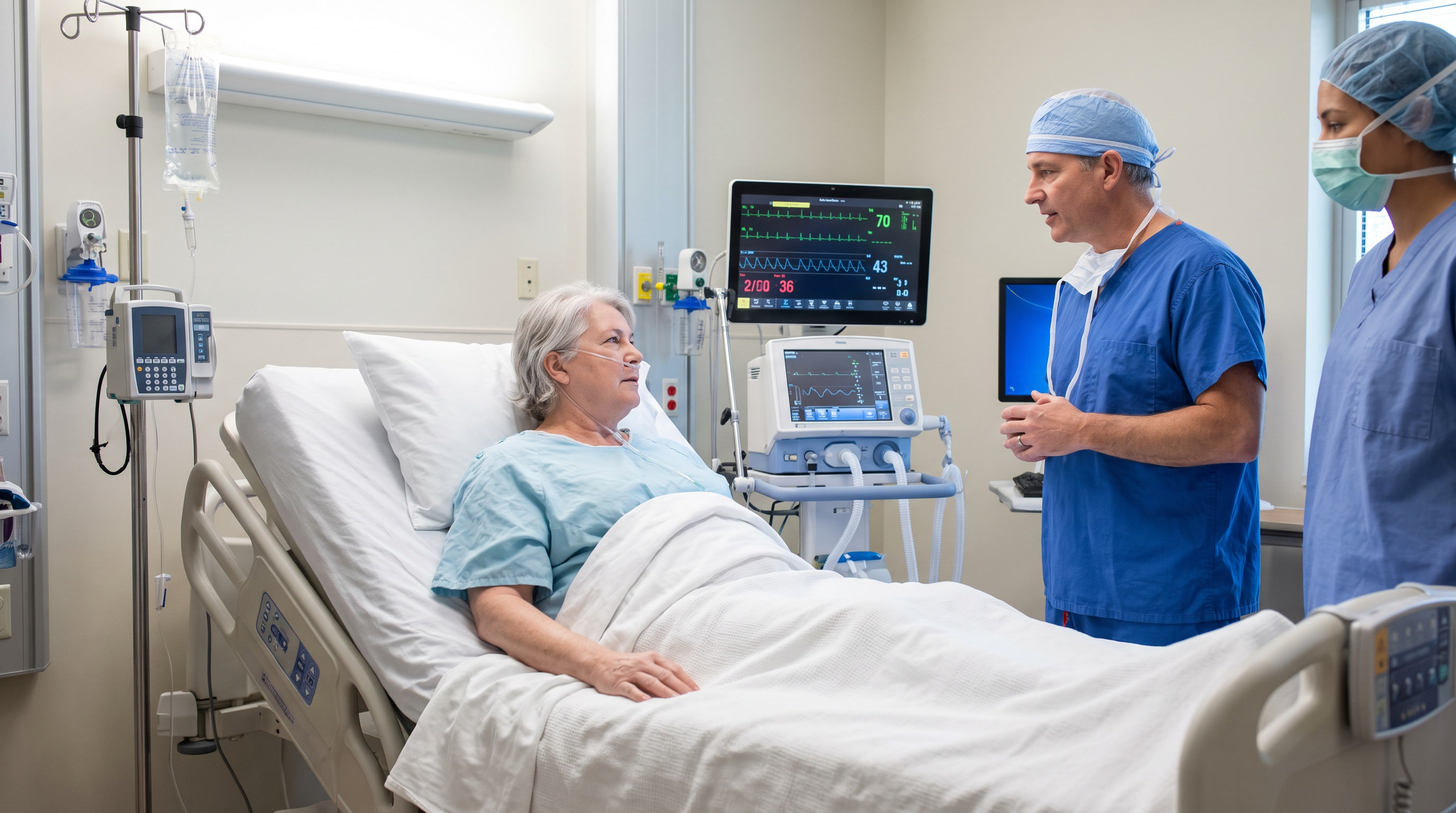
After the operation, the patient is usually followed in the intensive care unit for a period of time. Heart rhythm, blood pressure, respiration, and other vital signs are closely monitored. In the following period, the patient's mobility is gradually increased, and the recovery process continues after discharge.
What Should Be Considered After a Coronary Bypass?
Coronary bypass surgery does not mean that the risk factors underlying coronary artery disease have completely disappeared. Therefore, lifestyle changes aimed at protecting heart and vascular health are of great importance after the operation. Regular doctor check-ups and proper use of the recommended medications are an important part of the treatment.
Recommendations for Protecting Heart Health
- Keeping blood pressure, blood sugar, and cholesterol values under control
- Staying away from smoking
- Doing regular physical activity according to the program recommended by the doctor
- Adopting a balanced and heart-friendly eating habit
- Trying to keep body weight within a healthy range
- Not stopping prescribed medications without the doctor's recommendation
- Participating in cardiac rehabilitation programs in suitable patients
- Not missing regular cardiology check-ups
Lifestyle changes after coronary bypass can help reduce the risk of new vascular problems developing. When chest pain, shortness of breath, palpitations, fainting, or new and progressively increasing complaints occur, a health facility should be contacted without delay. Since the method, timing, and follow-up plan of the bypass operation may differ for each patient, the entire process should be carried out under the evaluation of a specialist physician.