










Leg Artery Blockage
Leg artery blockage is a significant vascular disease that occurs as a result of reduced blood flow due to narrowing or complete blockage of the arteries that carry blood to the legs. One of the most common causes is arterial hardening that develops due to the accumulation of cholesterol and fat in the vessel wall. In the early stages of the disease, no symptoms may be observed. Over time, pain in the calf, thigh, or hip area, particularly during walking, may indicate insufficient blood flow in the leg arteries.
As leg artery blockage progresses, pain at rest, cold feet, changes in skin color, non-healing wounds, and in advanced cases tissue loss may occur. Smoking, diabetes, high blood pressure, high cholesterol, excess weight, a sedentary lifestyle, and advanced age are important risk factors for the disease. In diagnosis, the patient's complaints and physical examination are used, along with Doppler ultrasound and, when necessary, vascular imaging methods. Treatment can be planned with different options, from medication to interventional procedures or surgical methods, depending on the level of the blockage and the patient's overall condition.
What Causes Leg Artery Blockage?
The most common cause of leg artery blockage is atherosclerosis, which leads to peripheral arterial disease. Over time, the formation of plaques on the inner surface of the vessels can cause the vessel diameter to narrow and reduce the amount of blood reaching the leg tissues.
Risk Factors for Leg Artery Blockage
- Smoking
- Diabetes
- High blood pressure
- High cholesterol
- Excess weight and obesity
- Sedentary lifestyle
- Advanced age
- A family history of vascular disease
- Presence of heart and other vascular diseases
In some cases, vascular inflammation, vascular injuries, or blood clots can also cause circulatory disorders in the leg arteries. Blockages that develop suddenly in particular may require urgent evaluation.
What Are the Symptoms of Leg Artery Blockage?
The symptoms of leg artery blockage vary depending on the degree of arterial narrowing and the reduction in blood flow. While a person with mild narrowing can continue their daily life normally, complaints may become more evident as the vascular disease progresses.
Leg Pain That Occurs While Walking
One of the typical symptoms of the disease is pain in the calf, thigh, or hip that occurs during walking or exercise. This pain, which decreases with rest and returns upon walking again, is related to the vessels' inability to meet the increased blood demand during activity.
Findings That May Occur in Advanced Stages
- Leg and foot pain that occurs at rest or particularly at night
- Coldness or numbness in the feet
- Pallor or bluish discoloration of the skin
- Decreased leg hair and thinning of the skin
- Slow-healing wounds on the foot or leg
- Slow growth of toenails
- In advanced cases, tissue death and gangrene
Severe and sudden leg pain, the leg becoming cold, a change in its color, or the inability to feel a pulse may indicate a serious and urgent vascular problem. In this case, urgent medical evaluation should be performed without delay.
How Is Leg Artery Blockage Diagnosed?
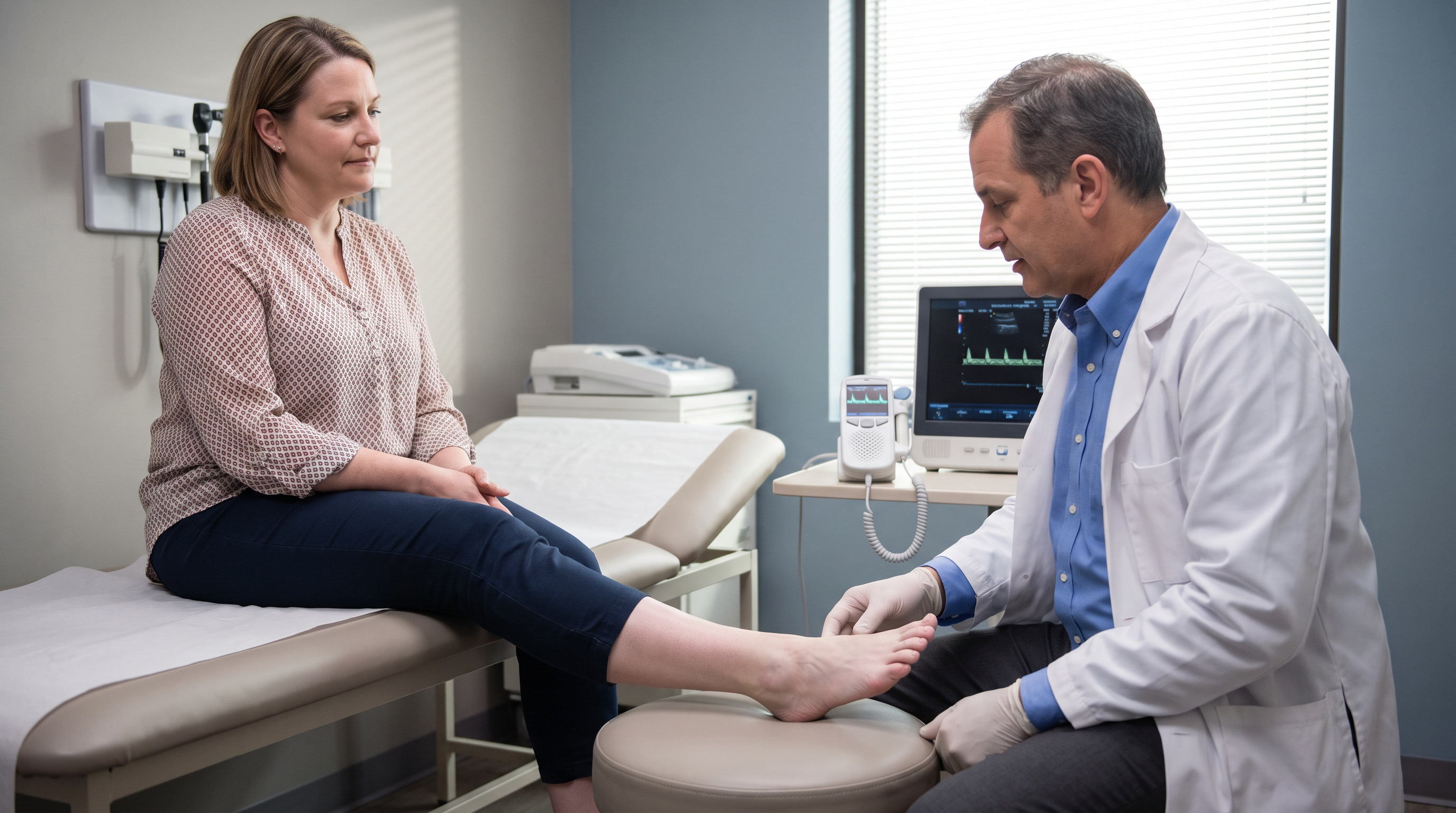
During the diagnostic process, the patient's complaints, when the pain began, and its relationship with walking are first evaluated. The doctor examines the circulation of the legs and feet; pulses are checked and changes in the skin are evaluated.
Doppler Ultrasound
Color Doppler ultrasound is one of the frequently used methods for evaluating blood flow in the leg arteries. It can provide information about the structure of the vessels, the areas where narrowing is located, and changes in blood flow. Because the procedure is non-invasive, it is preferred as one of the first evaluation methods in many patients.
Advanced Imaging Methods
In patients where it is considered necessary, methods such as computed tomography angiography, MR angiography, or conventional angiography may be used. These examinations help evaluate the location of the blockage and the structure of the vessels in more detail.
In diagnosis, not only the presence of a vascular blockage but also the extent of the disease and the level of blood supply to the leg are taken into account. The findings obtained play an important role in determining the treatment method.
How Is Leg Artery Blockage Treated?
In leg artery blockage, treatment is planned according to the level of the disease and the person's overall health status. The aim is to improve leg circulation, reduce complaints, prevent the progression of the disease, and, when necessary, reduce the risk of tissue loss.
Medication and Lifestyle Changes
In suitable patients, medication treatments may be applied to slow the progression of the vascular disease and reduce the risk of cardiovascular events. Keeping cholesterol, blood pressure, and diabetes under control is an important part of the treatment. Medications that affect blood clotting may also be used in patients deemed appropriate by the doctor.
Quitting smoking, regular and controlled exercise, healthy nutrition, and maintaining an ideal body weight also contribute to the treatment process. Walking programs in particular can help improve leg circulation and walking capacity in suitable patients.
Angioplasty, Stent, and Surgical Treatment
In patients with significant arterial narrowing or blockage who cannot achieve sufficient improvement with medication, interventional treatments may be considered. During angioplasty, the narrowed vessel can be widened with the help of a special balloon. In some patients, a stent may be placed to help keep the vessel open.
When interventional methods are not suitable due to the extent, location, or structural characteristics of the vessel blockage, treatments such as surgical vascular bypass may come into consideration. The choice of treatment is determined individually for each patient by evaluating their vascular structure and clinical characteristics.
When leg artery blockage is detected at an early stage, there are effective treatment options to prevent the progression of the disease. Especially recurring leg pain while walking, cold feet, or non-healing wounds should not be ignored. Early evaluation is important not only for protecting leg health but also for determining the person's overall risk of vascular disease.