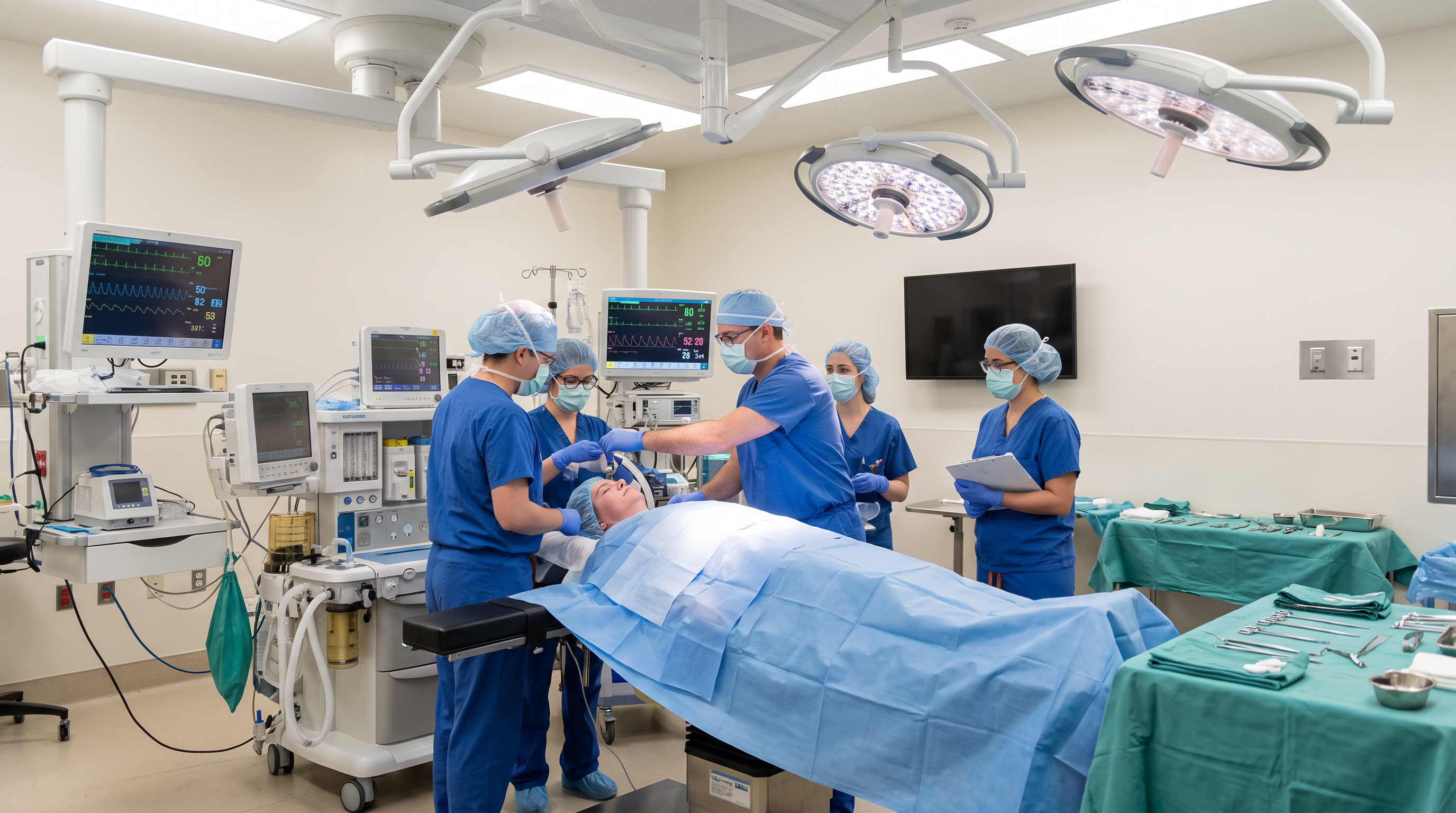
The main goal of the surgery is to reduce the workload of the heart, correct the blood flow and preserve the patient's quality of life. By evaluating the patient's valve structure, the degree of the disease, the pumping function of the heart and general health, a choice can be made among valve repair, valve replacement or, in appropriate patients, catheter-based treatments. Today, in addition to classic open surgery, minimally invasive approaches can also be used in certain patients.
The necessity of heart valve surgeries is evaluated according to how much the structural disorder in the valve affects the function of the heart. Not every valve disease requires surgery. Some mild or moderate diseases can be followed with regular check-ups and medication.
Why Are Heart Valve Surgeries Performed?
The necessity of heart valve surgeries is assessed according to how much the structural disorder in the valve affects the function of the heart. Not every valve disease requires surgery. Some mild or moderate diseases can be monitored with regular check-ups and medication.
In Which Valve Diseases May Surgery Be Required?
Two basic problems are seen in the heart valves. The narrowing of the valve opening is called valve stenosis, and the failure of the valve to close completely is called valve insufficiency. In stenosis, the heart has to create more pressure to pass blood through the valve, while in insufficiency a portion of the blood can leak backward.
Surgical treatment can come to the agenda in advanced aortic stenosis, severe mitral valve insufficiency or some congenital and rheumatic valve diseases. The decision for surgery is evaluated together with the patient's complaints and the level of cardiac involvement.
What Are the Findings Indicating That Surgery Is Needed?
Shortness of breath that occurs with exertion, easy fatigue, chest pain, dizziness, fainting, palpitations and swelling in the legs can be related to valve disease. However, the severity of the symptoms does not always fully reflect the degree of the disease.
Therefore, follow-up with regular cardiology examination and echocardiography is important. Planning treatment at the right time before enlargement or functional loss develops in the heart muscle can help preserve the long-term function of the heart in some patients.
How Are Heart Valve Surgeries Performed?
The basic approach in heart valve surgeries is to repair the problematic valve or, when necessary, replace it. Which method will be applied is determined according to the type of the valve, the cause of the disease and the anatomical features of the valve.
Valve Repair
Valve repair can be preferred in appropriate patients in whom the structure of the valve tissue can be preserved. During the repair, the deteriorated parts of the valve are corrected, the valve leaflets can be reshaped, or the supporting tissues of the valve can be strengthened.
Especially in some mitral valve diseases, repair is an important treatment option in appropriate patients. Preserving the valve's own tissue can provide an advantage in long-term treatment planning.
Replacement of the Heart Valve
Valve replacement can be performed in cases where repairing the valve is not possible or is not expected to give adequate results. The new valve can be mechanical or biological in nature.
Mechanical valves are durable in terms of long-term use but may require lifelong blood-thinning treatment and regular follow-up in some patients. In biological valves, on the other hand, there may be different follow-up requirements according to the structure of the material used and the patient's characteristics.
Minimally Invasive and Catheter-Based Methods
In appropriate patients, heart valve surgery can be performed using smaller incisions. The applicability of minimally invasive methods is determined according to the patient's anatomy and the characteristics of the procedure to be performed.
In some advanced valve diseases, treatments applied by means of a catheter can be considered instead of open surgery. Methods such as transcatheter aortic valve implantation can be an option for appropriate patients, especially in certain patients with aortic stenosis.
How Is Preparation Made Before Heart Valve Surgery?
Before the operation, the degree of the valve disease, the working capacity of the heart and the patient's general health are evaluated in detail. In this way, it becomes possible to determine both the surgical method and the type of valve to be used.
Which Tests Are Performed?
Echocardiography is one of the basic imaging methods in the evaluation of valve diseases. It provides important information about the structure of the heart valves, the characteristics of blood flow and the pumping function of the heart.
When necessary, transesophageal echocardiography, electrocardiography, computed tomography, cardiac catheterization and various blood tests can be performed. The examinations to be used are determined according to the patient's condition.
Pre-operative Evaluation
The medications the patient uses, previous operations, coexisting heart and vascular diseases and other health problems are evaluated. Especially in patients using blood-thinning medications, pre-operative medication adjustment should be done under the doctor's control.
The timing of the operation is determined individually. By evaluating the progression of the valve disease, the appearance of symptoms and the level of cardiac involvement together, the appropriate treatment time is planned.
Recovery Process After Heart Valve Surgery
After heart valve surgery, the patient is usually first followed up in the intensive care unit. The rhythm of the heart, respiration, blood pressure and other important findings are closely monitored. Patients whose condition is appropriate are then taken to the ward and continue the recovery process.
Return to Daily Life
The recovery period can vary according to the type of operation performed, the patient's general health and the surgical method used. In the early period, controlled walking and breathing exercises can be recommended. Due to the healing process of the breastbone, the doctor's recommendations must be followed regarding heavy lifting and strenuous activities.
In appropriate patients, cardiac rehabilitation programs can help increase physical capacity in a controlled manner and return to daily life.
Post-operative Follow-up
In patients whose heart valve was replaced, different follow-up and medication treatments may be required according to the type of valve used. Especially in people using a mechanical valve, regular use of blood-thinning treatment and not skipping the necessary check-ups are important.
After valve repair or replacement, the condition of the heart and the new valve structure can be followed with regular echocardiography controls. Medical evaluation should be sought when symptoms such as newly starting shortness of breath, fainting, marked palpitations, chest pain or rapidly developing swelling in the legs appear.
Heart valve surgeries are important treatments performed to reduce the workload of the heart and correct the blood flow in advanced valve diseases. Today, valve repair, valve replacement, minimally invasive surgery and, in appropriate patients, catheter-based methods can be used. The most appropriate treatment option should be determined by evaluating the type and degree of the valve disease and the patient's general health together.