










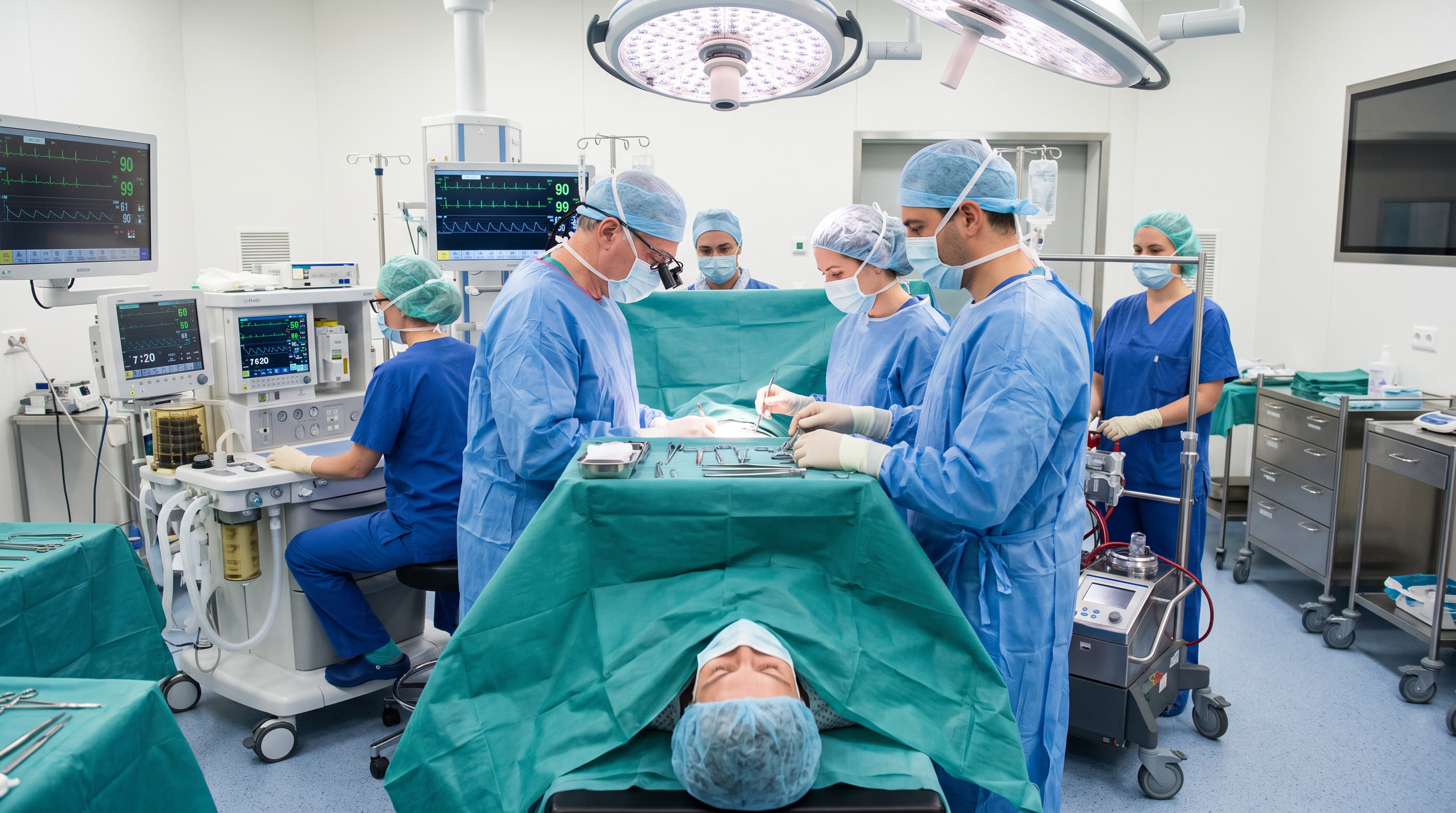
Aortic Surgery
Aortic surgery encompasses surgical methods applied in the treatment of serious diseases developing in the aorta, the largest vessel that arises from the heart and carries blood to the entire body. Aortic aneurysm, aortic dissection, a tear in the aortic wall or some congenital and structural aortic problems can threaten the integrity of the vessel and blood flow. While some aortic diseases can progress for a long time without symptoms, conditions such as dissection or rupture in particular can lead to life-threatening emergencies.
The main goal of aortic surgery is to safely treat the diseased or damaged aortic segment and preserve the vessel's function of carrying blood. The segment of the aorta in which the disease is located, the size of the enlargement, the rate of progression, coexisting heart diseases and the patient's general health status are important in determining the treatment plan. In addition to open surgical methods, endovascular treatments applied inside the vessel can also be used in suitable patients. The treatment method is determined individually as a result of detailed imaging and specialist evaluation.
Why Is Aortic Surgery Performed?
The necessity of aortic surgery is evaluated according to the type of the disease and the changes it causes in the aortic wall. Significant enlargement of the aorta, the creation of a risk of rupture, or an existing tear threatening blood flow can bring surgical treatment to the agenda.
Conditions That May Require Aortic Surgery
- Aortic aneurysm
- Aortic dissection
- Aortic rupture
- Progressive structural abnormalities of the aortic wall
- Diseases affecting the aortic valve and aortic root together
- Some congenital aortic anomalies
- Some complications developing after previous aortic surgery
In aortic aneurysms, the decision for surgery is not made solely based on the diameter of the vessel. The location of the aneurysm, its growth rate, its shape, the patient's age, family history and coexisting diseases are also evaluated. While regular imaging follow-up may be sufficient in some patients, surgical or endovascular treatment may be preferred when certain risks increase.
Which Tests Are Performed Before Aortic Surgery?
Before planning aortic surgery, the patient's general health status and the structure of the aorta are evaluated in detail. In particular, determining which part of the aorta is affected and the relationship of the disease with the surrounding tissues is of great importance in selecting the surgical method to be applied.
Methods Used in Diagnosis and Surgical Planning
- Computed tomography angiography: It provides detailed information about the width of the aorta, changes in the vessel wall, the extent of the dissection and the condition of the surrounding vessels.
- Magnetic resonance angiography: It can be used for detailed evaluation of the aorta and large vessels in some patients.
- Echocardiography: The pumping capacity of the heart, the aortic valve and the aortic segments close to the heart are evaluated.
- Transesophageal echocardiography: It can be used especially in emergency situations and for the detailed examination of the aortic segments close to the heart.
- Coronary angiography: It helps determine the condition of the coronary vessels in patients who need it.
- Blood tests: They enable the evaluation of the preoperative general health status and organ functions.
Imaging results play a fundamental role in determining the scope of the surgery. Whether only a specific segment of the aorta needs to be treated, or whether the aortic root, arch or more distant segments also need treatment, can be revealed as a result of these evaluations.
How Is Aortic Surgery Performed?
The method of aortic surgery varies according to the location of the disease and the patient's clinical condition. While open surgery is more frequently considered in diseases affecting the segments of the aorta close to the heart, endovascular methods can be evaluated for suitable patients in certain segments of the aorta in the chest or abdominal region.
Open Aortic Surgery
In open surgery, the diseased aortic area is surgically accessed and the required segment is replaced with an artificial vessel graft or repaired. In diseases affecting the aortic root or aortic valve, valve repair or replacement may also be part of the same operation. In aortic dissection, the aim is to repair the damaged area and safely restore blood flow.
Endovascular Aortic Treatments
In some patients with suitable anatomical features, endovascular treatment options can be used. In this method, a stent-graft is placed with the help of a catheter advanced through the vessel. In this way, blood flow in the diseased segment of the aorta is rearranged and the goal is to reduce the load on the vessel wall.
Endovascular methods can be preferred especially in some aortic aneurysms and certain aortic diseases. However, not every patient is suitable for this treatment. The structure of the aorta, the diameter and curves of the vessels, the location of the disease and the condition of the surrounding vessels should be evaluated in detail.
Aortic Root and Arch Surgery
Diseases affecting complex anatomical areas close to the heart, such as the aortic root or aortic arch, may require more comprehensive surgical interventions. In some patients, the aortic valve, aortic root and ascending aorta may need to be treated together. In diseases affecting the aortic arch, protecting the vessels going to the brain and other vital organs is one of the important stages of the surgery.
Recovery Process After Aortic Surgery
The follow-up process after aortic surgery varies according to the type of operation performed and the patient's general health status. Patients undergoing open surgery are generally monitored in the intensive care unit first. Heart rhythm, blood pressure, respiration, kidney functions and other vital signs are closely monitored. After endovascular procedures, the recovery process may be shorter in most patients.
Things to Consider After Surgery
- Keeping blood pressure at the targets recommended by the doctor
- Using prescribed medications regularly
- Not missing planned imaging and physician check-ups
- Avoiding heavy physical activities without a doctor's recommendation
- Quitting smoking
- Maintaining a diet appropriate for heart and vascular health
- Engaging in regular physical activity at the level recommended by the doctor
Regular follow-up after aortic surgery is important for monitoring the condition of the treated area and the other segments of the aorta. Especially in people with aortic disease, blood pressure control and cardiology or cardiovascular surgery check-ups are of great importance in the long term. If sudden and severe chest, back or abdominal pain, fainting, shortness of breath or newly developing neurological symptoms occur, urgent medical evaluation is required.