










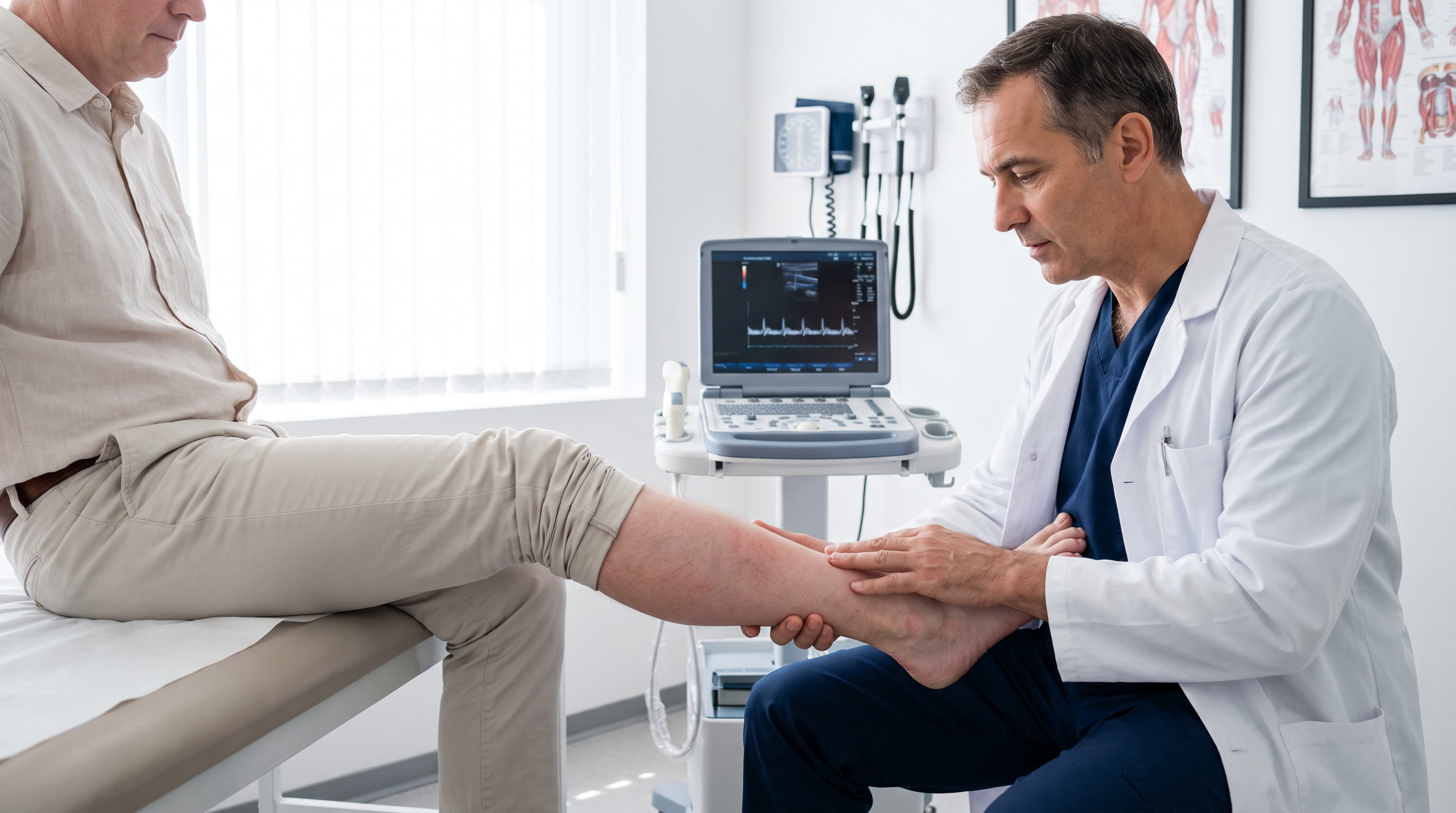
Deep Vein Thrombosis
Deep vein thrombosis (DVT) is an important vascular disease that occurs when a blood clot forms, particularly in the deep veins of the legs. The clot that forms can partially or completely block blood flow within the vein. Deep vein thrombosis may sometimes develop without causing a noticeable complaint, while in some patients symptoms such as swelling, pain, tenderness, and increased warmth in the leg may appear. Early detection of the disease is important for preventing the progression of the clot and the development of serious complications.
One of the most important complications of deep vein thrombosis is that the clot in the vein detaches and reaches the lungs, causing pulmonary embolism. Therefore, symptoms such as sudden shortness of breath, chest pain, palpitations, or coughing up blood require urgent medical evaluation. Prolonged inactivity, major surgical operations, some chronic diseases, obesity, smoking, and a previous history of clots can increase the risk of DVT. Doppler ultrasonography is most commonly used for diagnosis, and the treatment is planned according to the patient's condition.
What Causes Deep Vein Thrombosis?
Deep vein thrombosis can develop as a result of slowing of blood flow within the vein, damage to the vessel wall, or the blood becoming more prone to clotting. The presence of one or more of these factors together can increase the risk of clot formation.
Deep Vein Thrombosis Risk Factors
- Prolonged inactivity or long journeys
- Major surgical operations
- Prolonged bed rest
- Previously having had deep vein thrombosis or pulmonary embolism
- Obesity
- Smoking
- Some types of cancer
- Use of certain hormonal medications
- Advanced age
- Some inherited or acquired clotting disorders
In some special situations such as pregnancy and the postpartum period, the risk of clot formation in the veins may also increase. Having risk factors does not necessarily mean that DVT will develop; however, it is important that appropriate individuals be evaluated by a doctor.
What Are the Symptoms of Deep Vein Thrombosis?
Deep vein thrombosis may not always produce symptoms. When symptoms do appear, they are most often seen in the leg where the clot is located. The severity of the complaints may vary depending on the position of the vein containing the clot and the extent to which the blood flow within the vein is affected.
Symptoms That May Be Seen in the Leg
- Swelling in one leg
- Pain and tenderness in the calf or thigh area
- Increased warmth in the leg
- Redness or discoloration of the skin
- A feeling of tightness and heaviness in the leg
- Pain that may increase when walking or standing
Sudden shortness of breath, chest pain, rapid heartbeat, dizziness, or coughing up blood may be a sign of pulmonary embolism, which can occur when the clot reaches the lungs. These symptoms require urgent medical evaluation.
How Is Deep Vein Thrombosis Diagnosed?
In the diagnosis of deep vein thrombosis, the patient's complaints, medical history, and risk factors for clotting are evaluated together. During the physical examination, the appearance of the legs, swelling, tenderness, and circulation characteristics are examined. However, it may not be possible to make a definitive diagnosis with physical examination alone.
Doppler Ultrasonography
Venous Doppler ultrasonography is one of the most commonly used imaging methods for evaluating deep vein thrombosis. By examining the blood flow within the vein, it can be assessed whether a clot is present and the structure of the veins. The procedure is non-invasive and can be repeated when necessary.
Blood Tests and Advanced Imaging
Depending on the patient's clinical evaluation, a blood test called D-dimer may be used. This test does not establish a DVT diagnosis on its own; it can help the doctor evaluate it together with other findings.
In special cases where it is deemed necessary, advanced imaging methods such as computed tomography or magnetic resonance imaging may be used. If a pulmonary embolism is suspected, imaging for evaluating the pulmonary arteries may be required.
How Is Deep Vein Thrombosis Treated?
The main aim of deep vein thrombosis treatment is to prevent the growth of the clot and the formation of new clots, reduce the risk of the clot reaching the lungs, and prevent the long-term development of problems related to vein damage. The choice of treatment is determined according to the location and extent of the clot, the patient's general health, and the risk of bleeding.
Anticoagulant Treatment
In suitable patients, anticoagulant medications form the basis of the treatment. These medications help prevent the growth of the existing clot and the formation of new clots rather than directly dissolving the clot. The type of medication to be used and the duration of treatment are determined by the doctor according to the patient's characteristics.
In some special and severe cases, interventional treatments aimed at rapidly eliminating the clot may be considered. Whether these methods will be applied is determined by the specialist physician according to the patient's clinical condition.
Prevention of Complications
During the treatment process, it is important to act in line with the doctor's recommendations, use the medications regularly, and avoid prolonged inactivity. In some patients, compression treatments may also be considered to support venous circulation.
Deep vein thrombosis is a vascular disease that can be controlled with early diagnosis and appropriate treatment but should not be neglected. Medical evaluation is particularly important when unexplained swelling and pain develop in one leg. If symptoms such as sudden shortness of breath or chest pain occur, emergency help should be sought.