










Minimally Invasive Surgery
Minimally invasive surgeries are modern surgical methods that enable surgical treatment to be performed with as small incisions as possible and less intervention to the tissue. While larger incisions may be required in classical open surgeries, in minimally invasive techniques the target area is reached using special devices, camera systems and thin surgical instruments. This approach can help reduce postoperative pain and recovery time in suitable patients. Minimally invasive surgery can be applied in different medical fields, from vascular diseases to general surgery, from orthopedics to urology.
However, this method may not be suitable for every disease or every patient. The type of operation is determined according to the region where the disease is located, the patient's general health status, the vascular and tissue structure, previous operations and the surgeon's evaluation. The aim of minimally invasive surgery is to reduce the surgical trauma on the surrounding tissues as much as possible while performing the treatment effectively. Before the procedure, the most suitable surgical approach for the patient is planned with a detailed examination and the necessary imaging methods.
What Are Minimally Invasive Surgeries?
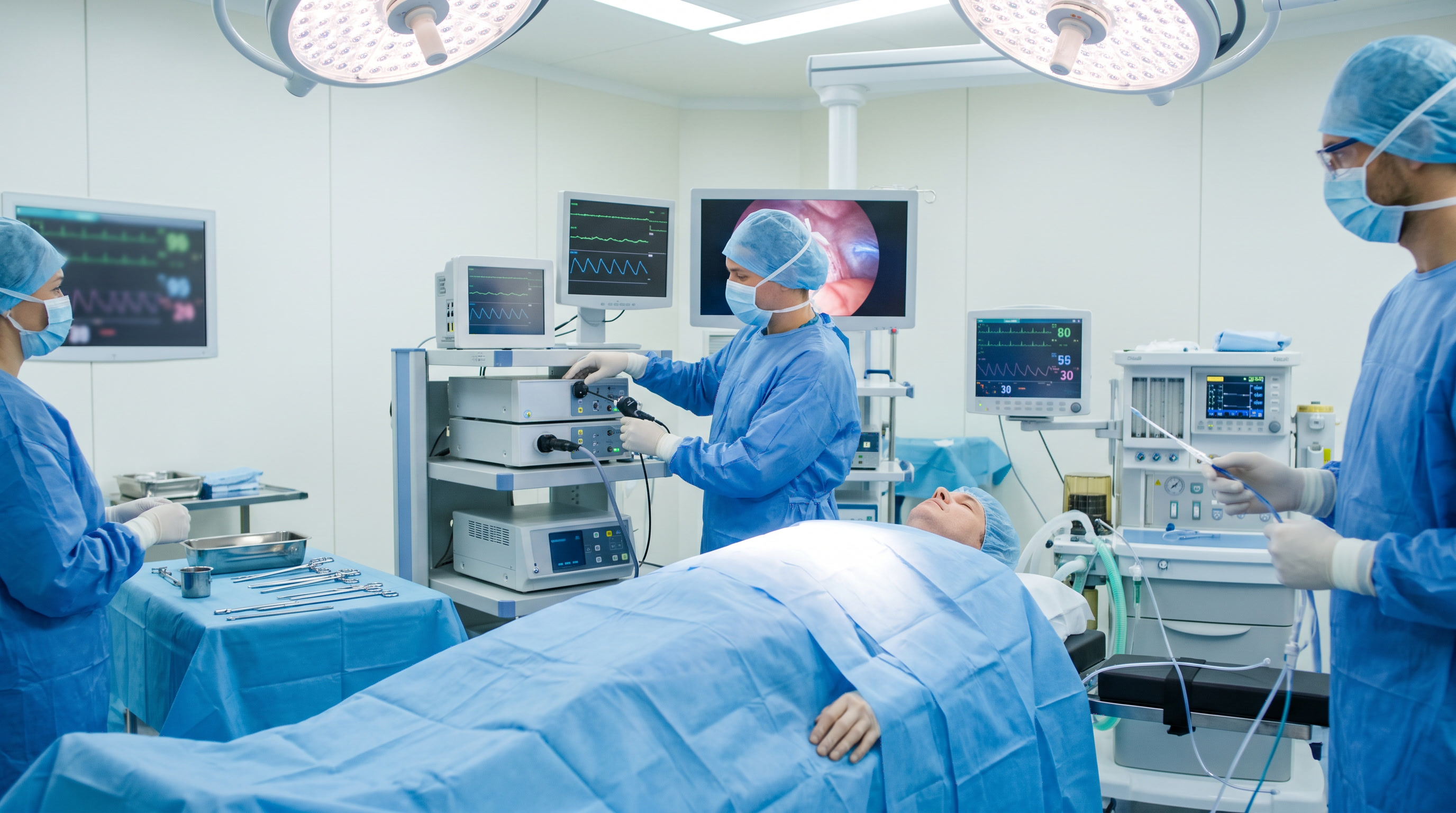
Minimally invasive surgeries are treatment methods that aim to reduce the incisions and tissue damage created in the body during a surgical procedure. In these procedures, the surgeon can use a camera and special surgical instruments advanced through small incisions instead of directly opening a wide surgical field. The camera image is transferred to a screen and the surgeon performs the intervention by following the operating area in a magnified way.
With the development of technology, the area of use of minimally invasive surgery has expanded. While some procedures are performed with laparoscopic or endoscopic methods, catheter-based interventions can be preferred in vascular diseases. The method to be applied varies according to the characteristics of the disease.
Advantages of Minimally Invasive Surgery
In suitable patients, minimally invasive methods can provide advantages such as smaller incisions, less tissue trauma and a shorter recovery time compared to classical open surgery. It is possible for pain and wound problems to be seen less after the operation. However, these advantages may not be at the same level for every procedure and every patient.
In Which Diseases Are Minimally Invasive Surgeries Applied?
Minimally invasive surgery can be used in the treatment of many different diseases. The area of application is determined according to the type of operation to be performed and the anatomical characteristics of the patient. These methods can be used especially in diseases that can be reached with small incisions and can be safely treated with camera or catheter systems.
Minimally Invasive Methods in Vascular Diseases
Minimally invasive methods have an important place in vascular surgery. In some patients with vascular narrowing or blockage, a procedure can be performed with a catheter through the inside of the vessel. Balloon angioplasty and stent applications are among these methods. In some patients with varicose veins, treatments applied through the inside of the vessel such as laser or radiofrequency can be used.
In these methods, instead of a large surgical incision, special equipment advanced through the inside of the vessel is used. In this way, in suitable patients, the length of hospital stay and the time to return to daily life can be shortened.
How Is Minimally Invasive Surgery Performed?
The way the operation is performed varies according to the area being treated and the type of disease. In laparoscopic procedures, small incisions are made in the abdomen or the relevant area and the camera and surgical instruments are placed. In endovascular interventions, a catheter is advanced mostly through the groin, arm or another suitable vessel.
During the procedure, the surgeon follows the treated area through the camera image or imaging devices. When necessary, the narrowing can be opened, the problematic tissue can be removed, a stent can be placed or another surgical intervention can be performed.
What Preparations Are Made Before the Surgery?
Before minimally invasive surgery, the patient's general health status is evaluated. Blood tests, imaging methods, electrocardiography and other examinations deemed necessary can be performed. It is important to inform the doctor about the medications the patient uses, existing diseases and previous operations.
Especially patients using blood-thinning medications should not stop their medications without a doctor's recommendation. The physician decides how the medications will be adjusted before the operation and the preparations necessary for the procedure.
Recovery After Minimally Invasive Surgery
The recovery process after minimally invasive surgeries varies according to the scope of the procedure applied and the patient's general health status. Because small incisions are used, postoperative pain and movement limitation may be less in some patients. However, the recovery time does not depend only on the size of the incision. The scope of the procedure performed and the disease treated are also decisive in this process.
The medications recommended by the doctor should be used regularly, the wound or access areas should be protected and follow-up appointments should be attended. The time to return to physical activity should also be determined according to the characteristics of the operation performed.
Returning to Daily Life
One of the important advantages of minimally invasive surgery in suitable patients is the possibility of returning to daily life in a shorter time. However, patients feeling well does not mean they can immediately do heavy physical activities. Especially after the surgical procedure, it is important to comply with the activity limits determined by the doctor.
What Are the Risks of Minimally Invasive Surgeries?
Although minimally invasive methods can be applied with smaller incisions, they carry some risks like every surgical procedure. Bleeding, infection, anesthesia-related problems, damage to the vessel or surrounding tissues and clot formation are some possible complications. The level of risk can vary according to the type of procedure performed and the patient's health status.
In some cases, it may also be necessary to convert an operation planned with a minimally invasive method to open surgery. This decision can be made by the surgeon in order to ensure the safety of the patient during the procedure.
Is Minimally Invasive Surgery Suitable for Every Patient?
Minimally invasive surgeries cannot be applied to every patient. The disease being advanced, anatomical characteristics, previous operations, some additional diseases or the inability to ensure a safe surgical view during the procedure can affect the suitability of the method.
For this reason, it is not correct to prefer a method only because of the smaller incision advantage. **The most suitable surgical method** should be determined by evaluating the patient's safety, the success probability of the treatment and the long-term results together.
What Should Be Considered After Minimally Invasive Surgery?
After the operation, it is important to use the medications recommended by the doctor regularly and comply with the control program. In case of excessive pain, bleeding, swelling, redness or discharge in the procedure area, a healthcare facility should be consulted.
During the recovery period, eating a balanced diet, taking adequate fluids and moving to the extent the doctor allows can support the overall recovery. If smoking is used, quitting is an important step, especially in terms of vascular and heart health.
Minimally invasive surgery may allow surgical treatment to be performed with smaller incisions and less tissue trauma in suitable patients. However, the treatment choice should always be made taking into account the special condition of the patient. After a detailed examination and the necessary tests, the specialist physician determines the most suitable option between open surgery and minimally invasive methods.