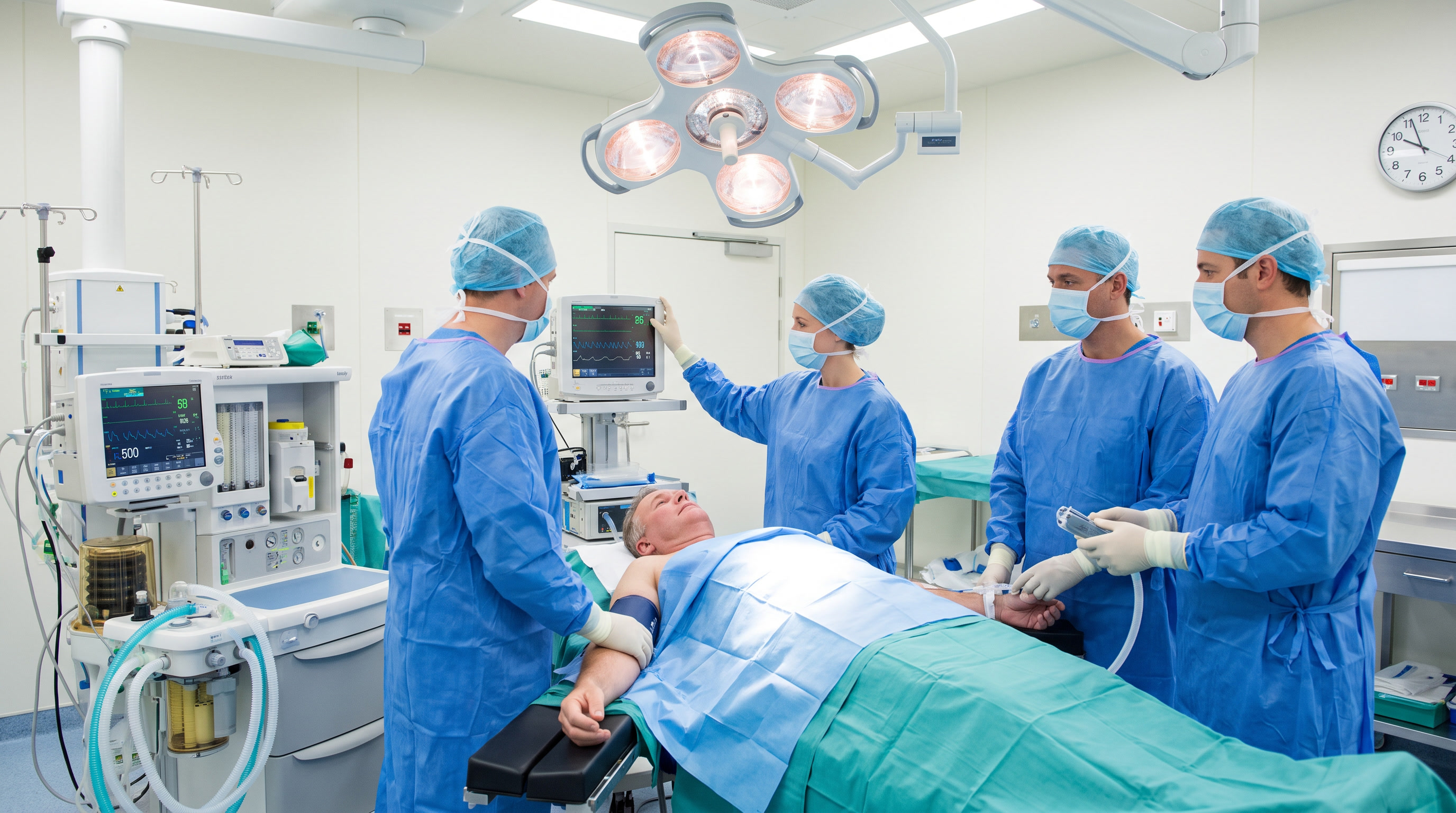
In the treatment, open surgery, endovascular methods or, in appropriate patients, hybrid techniques in which these approaches are used together can be utilized. Different surgical plans may be required for different regions such as the aortic root, ascending aorta, aortic arch and descending aorta. When deciding on the operation, the patient's age, general health, vascular structure and coexisting cardiovascular diseases are evaluated together. Especially in emergencies such as aortic dissection and rupture, rapid intervention can be of vital importance.
The main purpose of aortic surgeries is to treat the serious structural disorder in the vessel wall and reduce the risk of developing life-threatening complications such as rupture of the aorta or dissection. Not every aortic disease requires surgery. Small and stable aneurysms can be followed with regular imaging in some patients.
Why Are Aortic Surgeries Performed?
The main goal of aortic surgeries is to treat the serious structural disorder in the vessel wall and reduce the risk of life-threatening complications such as aortic rupture or dissection. Not every aortic disease requires surgery. Small and stable aneurysms can be followed with regular imaging in some patients.
Aortic Aneurysm
Excessive widening of the aortic wall beyond normal is called an aortic aneurysm. As the aneurysm grows, the tension in the vessel wall can increase and, in certain conditions, the risk of rupture may rise. The decision for surgery is made by taking into account the diameter of the aneurysm, its region, its growth rate and the patient's other risk factors.
For aortic aneurysms in the chest region, open surgery or endovascular methods can be used. Which approach will be preferred is determined according to the anatomical features of the aneurysm.
Aortic Dissection and Rupture
In aortic dissection, as a result of a tear in the inner layer of the vessel wall, blood advances between the layers of the vessel wall. Acute dissections especially affecting the ascending aorta may require urgent surgical evaluation.
Rupture of the aorta, that is, a rupture, is a vital emergency that can cause serious internal bleeding. If sudden and very severe chest or back pain, fainting, severe weakness or symptoms of circulatory disturbance are present, emergency medical help should be sought.
How Are Aortic Surgeries Performed?
The method of aortic surgery varies according to which part of the aorta the disease is located in and the features of the vascular structure. In open surgery, the problematic vessel section can be removed and an artificial vascular graft can be placed in its place. In endovascular treatments, a stent graft is placed inside the vessel by means of a catheter, aiming to separate the problematic region from the blood flow.
Open Aortic Surgery
In open aortic surgery, a surgical intervention is made from the chest or abdominal region to reach the diseased aortic region. The damaged or enlarged section can be replaced with an appropriate artificial vascular graft.
In some cases where the aortic root is also affected by the disease, more comprehensive surgical procedures involving the aortic root and the aortic valve can be performed. The technique to be used is determined according to the extent of the disease and the condition of the heart valve.
Endovascular Aortic Treatments
In endovascular treatments, a catheter is advanced through an appropriate vessel such as the groin to reach the problematic region of the aorta. A special structure called a stent graft is placed inside the vessel, aiming to reduce the pressure that the blood flow exerts on the diseased vessel wall.
Endovascular methods are an important treatment option especially in some descending aortic aneurysms and in patients with certain anatomical features. However, not every patient's vascular structure may be suitable for this procedure.
Hybrid Aortic Surgery
In some complex aortic diseases, open surgery and endovascular treatment can be used within the same treatment plan. This approach is called hybrid treatment. Especially in complex conditions where the aortic arch and more than one vessel region are affected, different techniques may need to be evaluated together.
How Is Preparation Made Before Aortic Surgery?
Before aortic surgery, the disease must be imaged in detail and the surgical risks must be evaluated. When creating the treatment plan, the region where the aortic disease is located, the vessel diameter, the condition of the branching vessels and the functions of the heart are examined.
Imaging Methods
Computed tomography angiography is one of the frequently used methods in the evaluation of aortic diseases. Different parts of the aorta, the size of the aneurysm and its relationship with the surrounding vessels can be examined in detail.
In patients where necessary, methods such as magnetic resonance imaging, echocardiography or transesophageal echocardiography can also be utilized. The imaging method to be used is determined according to the patient's condition.
Evaluation of Surgical Risks
Before aortic surgery, the pumping function of the heart, the condition of the kidneys and lungs, blood values and existing other diseases are evaluated. The medications the patient uses are also reviewed.
Correct timing is of great importance in aortic surgeries. Especially in rapidly growing aneurysms or certain high-risk vascular problems, treatment may need to be planned without delay. On the other hand, in some stable patients, follow-up with regular imaging can be preferred.
Recovery Process After Aortic Surgery
The recovery process after aortic surgery varies according to the surgical method applied, the scope of the operation and the patient's general health. After open surgery, patients are usually closely monitored in the intensive care unit. In endovascular procedures, the hospital stay and recovery process can be shorter in appropriate patients.
Post-operative Follow-up
Regular imaging controls are important after aortic surgery. Especially in patients treated with endovascular treatment, the position of the stent graft and the condition of the aorta can be checked at certain intervals.
Keeping blood pressure under control is also important for people with aortic disease. Regular use of the blood pressure and other medications prescribed by the doctor can help preserve vascular health.
Return to Daily Life
The level of physical activities during the recovery process is determined by the doctor. In patients who underwent open surgery, heavy lifting and strenuous exercises may need to be avoided especially in the early period. The level of activity is increased in a controlled manner over time.
It is important for people with aortic disease not to skip their regular cardiology and cardiovascular surgery check-ups. Suddenly starting severe chest or back pain, shortness of breath, fainting or newly developing serious circulation problems require urgent evaluation.
Aortic surgeries can be performed with open surgery, endovascular or hybrid methods in the treatment of serious diseases of the aorta. The choice of treatment is made by taking into account the type of the disease, the affected part of the aorta, the vascular structure and the patient's general health. Early diagnosis and treatment planned at the right time play an important role in preventing serious complications related to aortic diseases.