










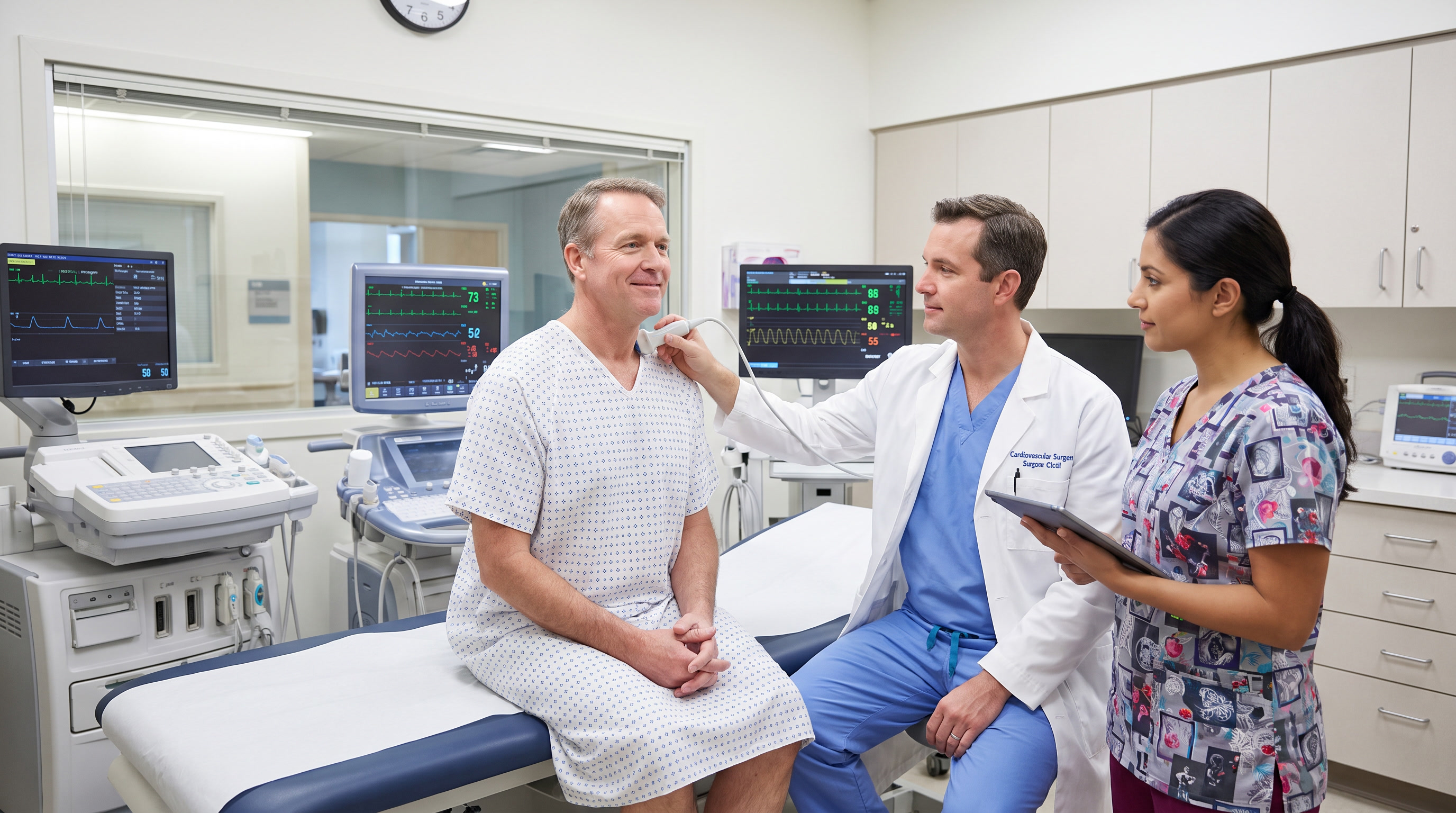
What Is Heart & Vascular Surgery?
Heart and vascular surgery is the branch of medicine that deals with the surgical and interventional treatment of various diseases affecting the heart, arteries, veins, and circulatory system. The cardiovascular system plays a vital role in carrying blood and oxygen to all tissues of the body. Narrowing, blockage, dilation, or structural disorders that occur in this system can affect a person's quality of life and may also lead to serious health problems. Depending on the patient's condition, a wide range of treatment options can be used in heart and vascular surgery, from open surgical operations to minimally invasive methods performed through smaller incisions.
Coronary artery disease, heart valve disease, aortic diseases, carotid stenosis, blockages in the leg arteries, and varicose veins are among the many conditions evaluated within this specialty. When creating a treatment plan, the type and level of progression of the disease are considered together with the patient's age, general health status, medications, and other risk factors. The aim is to ensure that blood circulation continues healthily, reduce disease-related risks, and preserve the patient's quality of life.
Which Diseases Does Heart and Vascular Surgery Treat?
Heart and vascular surgery is involved in the treatment of numerous diseases affecting different parts of the heart and vascular system. Some diseases can progress for many years without symptoms, while others can cause complaints such as chest pain, shortness of breath, or pain or swelling in the legs. Early evaluation is important for determining the appropriate treatment method.
Cardiovascular Diseases
Narrowing or blockage of the coronary arteries that supply the heart can prevent the heart muscle from receiving enough oxygen. In coronary artery disease, medication and endovascular interventions may be considered, and coronary artery bypass surgery can be performed in suitable patients. During the bypass procedure, a new blood vessel pathway is created that enables blood to pass through the narrowed or blocked segment of the vessel and reach the heart muscle.
Heart Valve Diseases
Narrowing of the heart valves or their failure to close properly can adversely affect the heart's ability to pump blood to the body. Depending on the severity of the disease, follow-up and medication can be applied. In advanced cases, surgical treatments such as valve repair or valve replacement may come into question.
What Diseases Does Vascular Surgery Treat?
Vascular surgery is used to treat narrowing, blockage, dilation, and circulatory disorders affecting arteries and veins. The treatment method is determined according to the region where the disease is located and the structure of the vessels. While medication and lifestyle changes may be sufficient for some patients, surgical or interventional treatment may be required in advanced cases.
Carotid and Leg Artery Diseases
Advanced narrowing in the carotid arteries can affect blood flow to the brain and increase the risk of stroke. Methods such as carotid endarterectomy or stenting can be used in suitable patients. In advanced narrowing or blockage of the leg arteries, endovascular interventions or bypass surgery may be considered.
Varicose Veins and Venous Diseases
When the vein valves fail to perform their function adequately, varicose veins and chronic venous insufficiency may develop. Pain, swelling, heaviness, and skin changes can be seen in the legs. Depending on the condition of the disease, compression stockings, medication, laser, radiofrequency, sclerotherapy, or surgical methods can be used.
What Treatments Are Applied in Heart and Vascular Surgery?
The treatment to be applied in heart and vascular surgery is determined by evaluating the type of disease and the patient's general health status. In addition to surgical procedures, interventional methods performed via catheter can also be used. The main goal of treatment is to improve blood flow and reduce the risk of disease-related complications.
While wider surgical incisions may be used in open surgeries, minimally invasive surgery techniques can be preferred in suitable patients. In vascular diseases, methods such as balloon angioplasty, stenting, vessel cleaning, or bypass can be applied. In heart diseases, different surgical options such as bypass, valve repair, and valve replacement may be available.
Preoperative Evaluation
A detailed evaluation is performed before heart and vascular surgery. Tests such as blood tests, electrocardiography, echocardiography, color Doppler ultrasonography, computed tomography, or angiography can be used depending on the patient's condition. These examinations help determine the extent of the disease and plan the surgical procedure.
The medications the patient uses, especially blood-thinning medications, must be evaluated by the doctor. If medications need to be stopped or changed before surgery, how this will be done must be determined by the physician.
Recovery After Heart and Vascular Surgery
The recovery process varies depending on the type and scope of the operation performed and the patient's general health status. While longer hospital follow-up may be required after major heart surgeries, some patients may return to their daily lives more quickly after certain endovascular procedures.
After surgery, it is important to use the medications recommended by the doctor regularly, not to miss check-ups, and to follow the physical activity program. If excessive pain, bleeding, swelling, or signs of infection occur at the incision site, a healthcare facility should be consulted.
How Is Heart and Vascular Health Preserved?
Many risk factors such as high blood pressure, high cholesterol, diabetes, smoking, excess weight, and a sedentary lifestyle can play a role in the development of heart and vascular diseases. Therefore, not only surgical treatment but also lifestyle adjustments aimed at preventing the disease from progressing again are important.
Eating a balanced diet, engaging in regular physical activity, monitoring blood pressure and cholesterol levels, keeping diabetes under control, and avoiding smoking can contribute to maintaining vascular health. Regular use of the medications recommended by the doctor according to the person's existing conditions is also an important part of treatment.
When Should You Consult Heart and Vascular Surgery?
Complaints such as chest pain, shortness of breath, palpitations, fainting, leg pain that occurs with walking, marked swelling in the legs, non-healing wounds, or obvious dilation of the vessels should be evaluated. Especially sudden-onset chest pain, severe shortness of breath, loss of consciousness, or stroke symptoms require emergency medical evaluation.
Heart and vascular surgery is not a specialty that consists only of operations. Depending on the patient's condition, medication, lifestyle adjustments, endovascular interventions, and surgical operations can be evaluated together. The most appropriate treatment option is determined specifically for each patient after a detailed examination and the necessary tests.