Diabetic Foot Treatment
Diabetic foot is a significant health problem that develops when ulcers, infections and healing problems occur in the foot as a result of the long-term effects of diabetes on nerves, vessels and tissues. If high blood sugar has not been under control for a long time, the nerves in the feet can be damaged and sensation may be lost. When impaired circulation in the vessels is added to this, a small cut, a blister or a simple pressure point can turn into a serious wound over time.
Diabetic foot treatment is planned according to the condition of the wound, the presence of infection, the circulation in the foot, the level of nerve damage and the patient's general health.Treatment is not aimed only at closing the wound; it is also important to determine why the wound formed and to take measures that prevent its recurrence. In patients who need it, wound care, infection treatment, pressure offloading, correction of blood circulation and surgical procedures can be applied together. Early evaluation is of great importance for preserving the foot and preventing serious complications.
Why Is Diabetic Foot Treatment Performed?
The main goal of diabetic foot treatment is to enable the existing wound to heal, to bring infection under control, to support the blood circulation of the foot and to preserve healthy tissue as much as possible. When creating the treatment plan, not only the depth and width of the wound but also the vascular and nerve status of the foot are evaluated.
How Does Diabetic Foot Develop?
Diabetes-related nerve damage can reduce the sense of pain and pressure in the foot. For this reason, a person may not notice a small injury on the foot or the pressure created by a shoe that squeezes the foot. Continuous pressure and friction can disrupt the integrity of the skin.
Diabetes-related vascular disease can also reduce the blood flow reaching the foot. When tissues cannot receive enough oxygen and nutrients, wound healing can become difficult. The presence of these two conditions together can cause diabetic foot wounds to become more serious.
Which Symptoms Are Important?
Redness, swelling, increased warmth, color changes, discharge, foul odor or a non-healing wound are symptoms that should be taken into consideration in people with diabetes. The absence of pain due to loss of sensation does not mean that the wound is insignificant.
If suddenly developing color changes, marked coldness, severe swelling or signs of rapidly progressing infection are present in the foot, medical evaluation should be performed without delay.
Which Methods Are Used in Diabetic Foot Treatment?
Diabetic foot treatment does not consist of a single method. Different treatments can be applied together depending on the characteristics of the wound and the underlying problem. For the success of the treatment, blood sugar control, wound care and reducing the load on the foot are also important.
Wound Care and Pressure Offloading
Regular evaluation of the wound and follow-up with appropriate dressings are among the essential elements of the healing process. The dressing products used are determined according to the condition of the wound. If dead tissue is present, it may need to be cleaned using the method considered appropriate by the doctor.
Continuous pressure on certain areas of the foot can make wound healing difficult. Therefore, appropriate footwear, special insoles, supporting devices or, when necessary, methods that keep the foot away from the load can be used.
Infection Treatment
There is a risk of infection developing in diabetic foot wounds. Findings such as redness, swelling, increased warmth, discharge, foul odor and fever should be evaluated with regard to infection.
When a bacterial infection is detected, appropriate antibiotic treatment can be planned by the doctor. Deeper infections may require hospital treatment, surgical debridement or other interventions. Starting or stopping antibiotics without the doctor's advice is not correct.
Blood Sugar Control
Blood sugar control plays an important role in the healing process of the wound. High blood sugar can increase the risk of infection and adversely affect tissue healing. Therefore, diabetes treatment should be continued regularly.
How Is Vascular Treatment Performed in Diabetic Foot?
In every patient with a diabetic foot wound, the vascular circulation should be evaluated. A detailed examination with regard to vascular diseases is performed especially if the wound has not healed for a long time or if the blood flow to the foot is suspected to be insufficient.
How Is Blood Circulation Evaluated?
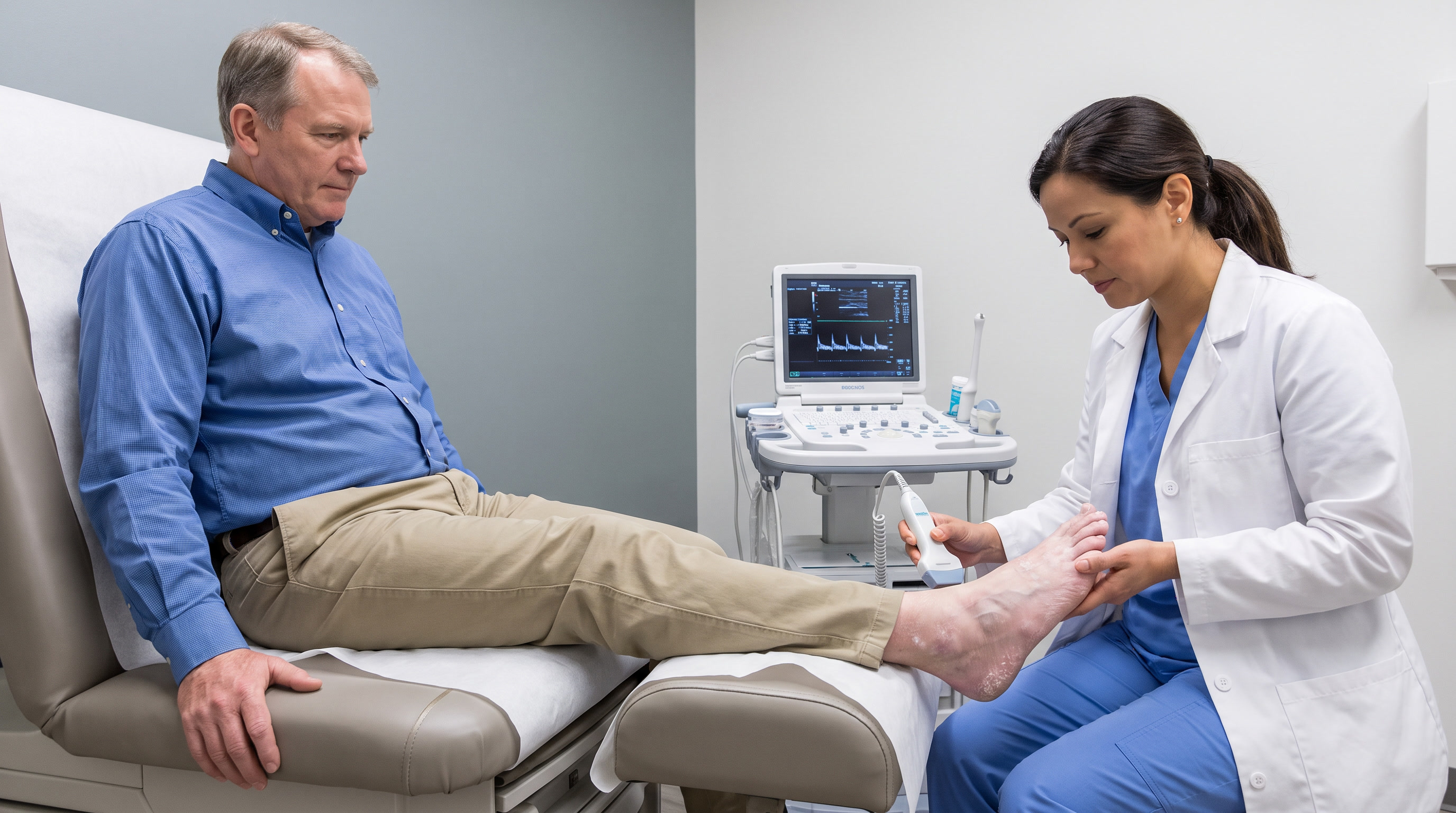
In the physical examination, foot pulses, skin color, temperature and circulation findings are evaluated. Color Doppler ultrasonography can provide information about the structure of the vessels and blood flow.
In patients where it is considered necessary, computed tomography angiography or other vascular imaging methods can be used. Thanks to these evaluations, it can be determined whether there is narrowing or blockage in the vessels leading to the foot.
Endovascular Vascular Treatments
In appropriate patients whose blood circulation in the foot is insufficient, endovascular treatments applied within the vessel can be considered. Widening the narrowed vessel section with balloon angioplasty and, when necessary, placing a stent may be possible.
Correcting the blood circulation can help provide the blood flow needed for wound healing in appropriate patients. However, the method to be applied is determined according to the location, the length of the blockage and the patient's vascular structure.
Vascular Bypass Surgery
In some patients, treatments applied within the vessel may not be sufficient, or the vascular structure may not be suitable for an endovascular procedure. In this case, bypass surgery can come into consideration in appropriate patients. In a bypass procedure, an alternative vascular route is created that allows blood to pass the blocked vessel section and reach the foot.
Which treatment will be preferred is determined by evaluating the vascular imaging and the patient's general condition together.
What Should Be Considered After Diabetic Foot Treatment?
Diabetic foot treatment is not completed only by healing the existing wound. Regular care and follow-up are required to prevent the formation of new wounds and to ensure the long-term protection of the foot.
Daily Foot Check
It is important for people with diabetes to check their feet every day. Areas that are not easily visible, such as between the toes, the heels and the sole of the foot, should also be examined. When a cut, redness, blister, crack or color change is noticed, a health professional should be consulted without delay.
Keeping the feet clean and dry and using shoes of the appropriate size that do not squeeze the foot are important. Avoiding walking barefoot can also reduce the risk of injury.
Follow-up and Preventive Approach
People who are at risk with regard to diabetic foot should not miss their regular doctor controls. Ensuring blood sugar control, avoiding smoking and following the physical activity program recommended by the doctor can contribute to the preservation of vascular health.
When a newly developing wound, discharge, foul odor, marked redness or swelling is noticed on the foot, medical evaluation should be sought instead of applying self-treatment. Early intervention can help prevent serious infections and tissue loss in diabetic foot.
In diabetic foot treatment, wound care, infection control, reduction of pressure and evaluation of blood circulation should be addressed together. Since each patient's treatment needs differ, the appropriate approach should be determined after a detailed examination and the necessary vascular imaging.