










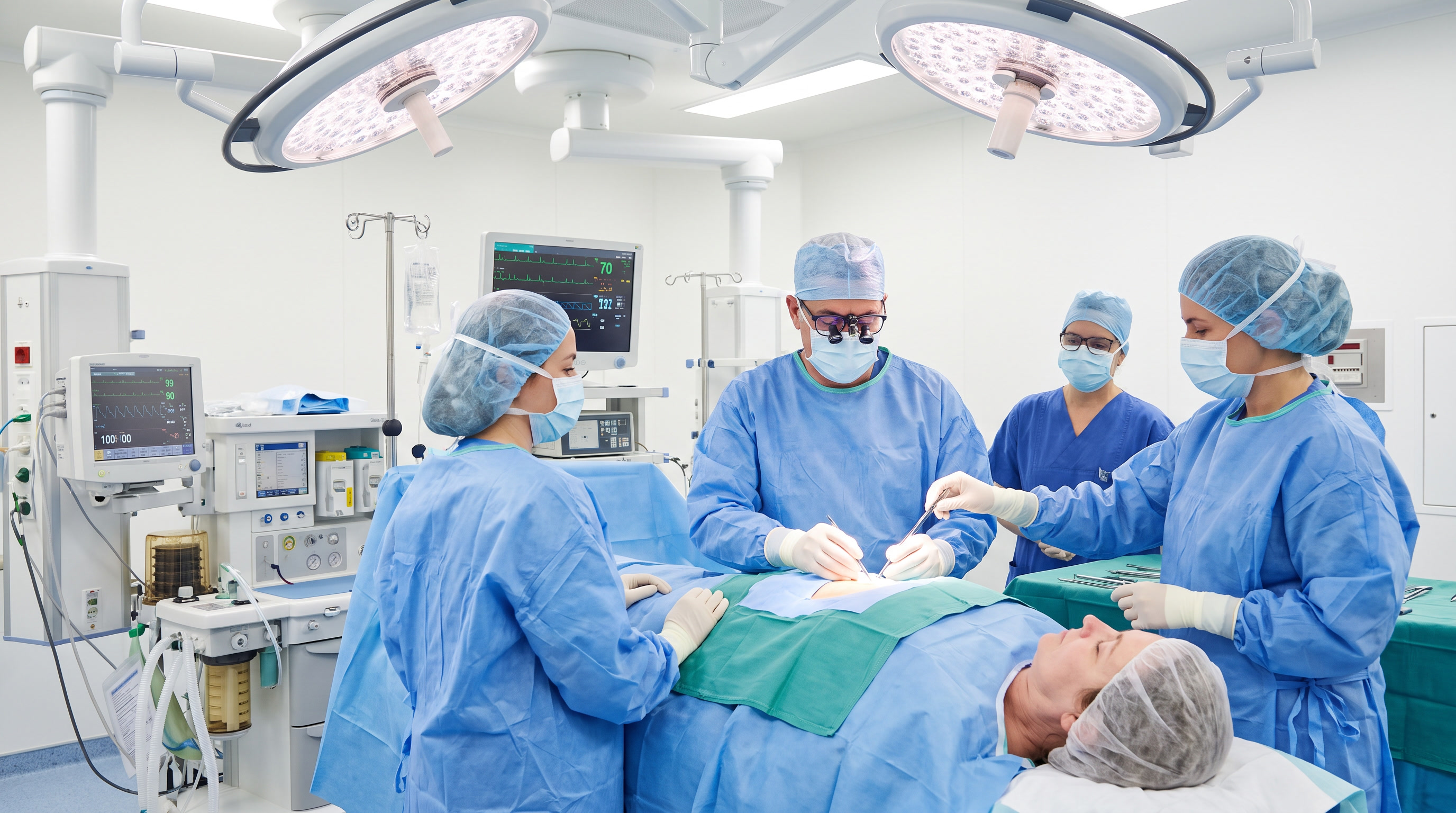
Carotid Surgery
Carotid surgery is one of the surgical methods applied in the treatment of severe narrowing or blockage that occurs in the carotid arteries, the vessels that carry blood to the brain. Plaques formed by the accumulation of cholesterol and other fats on the inner surface of the carotid arteries can cause the vessel diameter to narrow and the blood flow to the brain to decrease over time. The detachment of small clot pieces from some plaques can also affect the brain vessels and lead to a transient ischemic attack or stroke.
One of the most commonly applied methods in carotid surgery is carotid endarterectomy. During this procedure, the carotid artery in the neck is opened and the plaque tissue that has accumulated inside the vessel and obstructs the blood flow is removed. In suitable patients, endovascular treatments involving the placement of a stent within the vessel can also be considered as an alternative. Which method will be applied is determined by taking into account the degree of the vascular narrowing, whether the patient has previously had a stroke or transient ischemic attack, the anatomical features of the narrowing and the general health condition.
Why Is Carotid Surgery Performed?
The main aim of carotid surgery is to treat severe vascular narrowings that threaten the blood flow to the brain and, in suitable patients, to reduce the risk of stroke. The narrowing in the carotid arteries usually develops due to vessel stiffness, namely atherosclerosis. As the plaques accumulating on the vessel wall grow, the passage of blood through the vessel can become difficult.
Conditions That May Require Carotid Surgery
- Advanced carotid artery stenosis
- Having a transient ischemic attack due to carotid stenosis
- A history of stroke associated with carotid disease
- Plaque structure posing a risk of embolism or clot in the stenosis region
- Vascular disease progressing despite medical treatment
- Detection of a high-risk vascular plaque on imaging methods
Surgical treatment is not necessary in every carotid stenosis. In mild or moderate narrowings and in some special patient groups, medication, blood pressure and cholesterol control, quitting smoking and regular follow-up may be sufficient. The surgical decision is made by evaluating the degree of the narrowing together with the patient's clinical signs and overall risk condition.
Which Examinations Are Performed Before Carotid Surgery?
Before carotid surgery, the structure of the vessels and the degree of the narrowing are examined in detail. The strokes or transient ischemic attacks the patient has previously had, the existing cardiovascular diseases and the medications used are evaluated. Determining to what extent the narrowing affects the blood flow to the brain is particularly important for the treatment plan.
Methods Used in Diagnosis and Surgical Planning
- Carotid Doppler ultrasonography: It is one of the frequently used first methods in evaluating the blood flow in the carotid arteries, the degree of the narrowing and the characteristics of the plaques.
- CT angiography: Provides detailed imaging of the carotid arteries and other important vessels going to the brain.
- MR angiography: Can be used to evaluate the vessel structure and, in some patients, to examine the brain tissue.
- Brain imaging: Can help evaluate previous strokes or damages related to the brain vessels.
- Blood tests: Can be used to evaluate cholesterol, blood sugar and the general health condition before surgery.
When necessary, catheter angiography can also be performed for a more detailed evaluation of the vessels. The results of all examinations are evaluated together and a decision is made on whether surgical treatment is required and on the method to be applied.
How Is Carotid Surgery Performed?
The best known method in carotid surgery is carotid endarterectomy. During the procedure, the carotid artery is reached through a surgical incision made in the neck region. After the vessel is temporarily brought under control, the artery is opened and the atherosclerotic plaque that has accumulated on the inner part of the vessel wall is cleaned. Then the vessel is closed again and the continuance of the blood flow is ensured.
Carotid Endarterectomy
Carotid endarterectomy is the surgical method used in the treatment of severe carotid stenosis, especially in suitable patients. The aim during the operation is to remove the plaque tissue that obstructs the blood flow from the vessel. After the procedure, it is aimed to improve the blood flow within the vessel and reduce the risk of embolism.
During the operation, the patient's cerebral blood supply and vital signs are closely followed. The surgical technique to be used can vary according to the region of the narrowing and the anatomical features of the patient.
Carotid Stent Treatment
In suitable patients, carotid artery stenting can be considered as an alternative to surgery. In this method, the narrowing region is usually reached via a catheter advanced from a vessel in the groin or arm region and a stent is placed within the vessel. Thus, it is aimed to keep the narrowed vessel open and improve the blood flow.
Carotid stenting is not suitable for every patient. A decision is made by evaluating the anatomical structure of the narrowing, the patient's age, previously performed neck surgeries, other health problems and the risks that may occur during the procedure.
Recovery Process After Carotid Surgery
After carotid surgery, the patient's neurological status, blood pressure, heart rhythm and the surgical region are closely followed. Evaluating neurological functions such as speech, vision and arm and leg movements, especially in the early period of the operation, is important. The length of stay in the hospital can vary according to the patient's general condition and the applied method.
What Should Be Paid Attention to After the Operation?
- Using the medications prescribed by the doctor regularly
- Keeping the blood pressure and cholesterol values under control
- Quitting smoking
- Adopting a balanced diet that supports vascular health
- Doing physical activity at the level recommended by the doctor
- Monitoring the carotid arteries with imaging methods at planned intervals
- Not missing the follow-up appointments
Regular follow-up after carotid surgery is important for monitoring the condition of the treated vessel and the health status of the other vessels. If symptoms such as sudden speech disorder, weakness in the face or arm, vision loss, balance problem or altered consciousness appear, emergency evaluation is required with regard to stroke. The treatment method should be individualized according to the patient's vascular structure and clinical condition.