










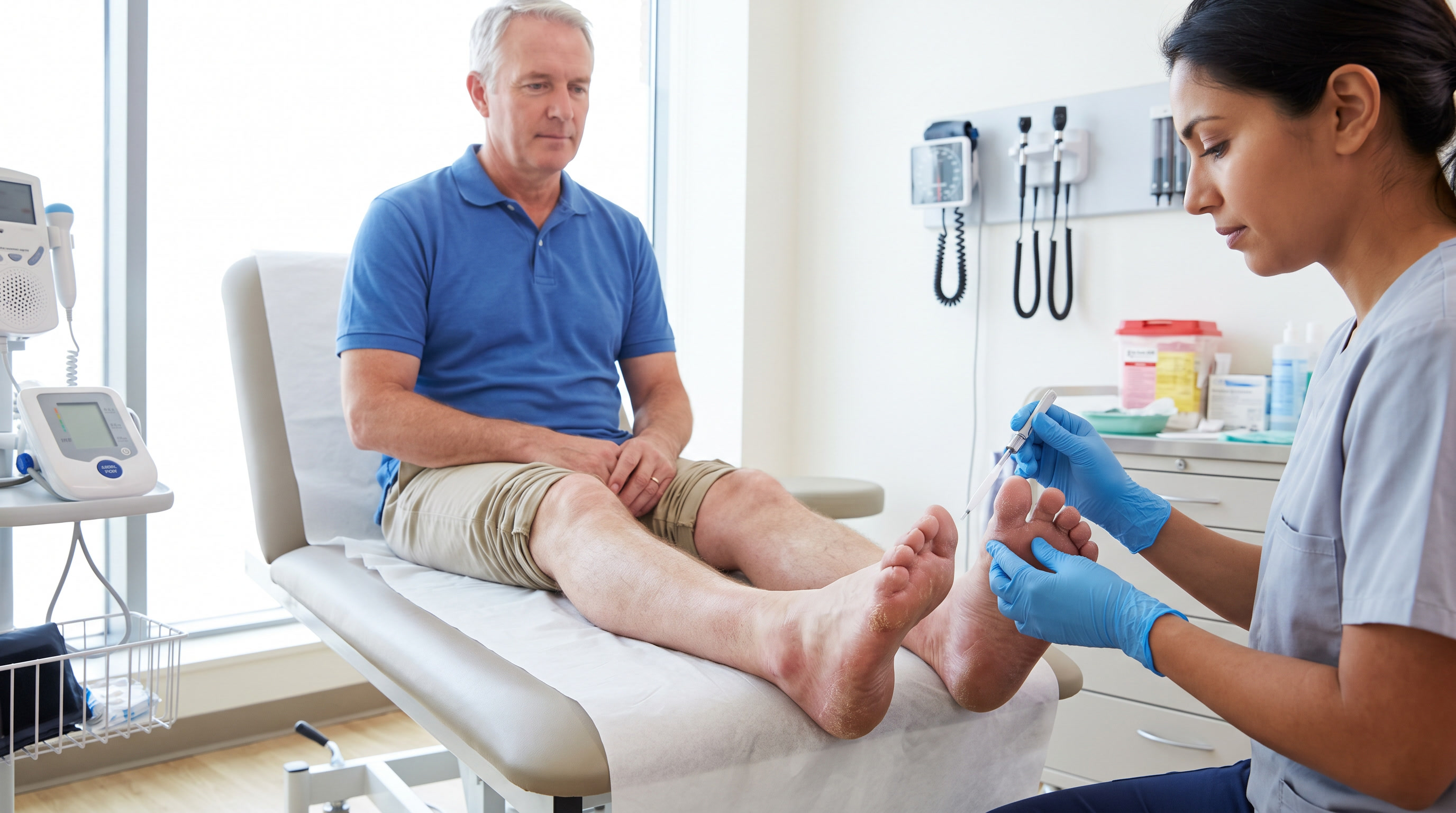
Diabetic Foot
Diabetic foot is a significant health problem that can occur as a result of long-term effects of diabetes, with an increased risk of nerve damage, circulatory disorders, and infection in the feet. Prolonged inadequate blood sugar control can damage the nerves and blood vessels over time. As a result, a small wound, a blister, a callus, or a simple skin injury on the foot may go unnoticed and may heal slowly. Untreated wounds can progress and lead to serious problems such as infection and tissue loss.
Nerve damage and impaired circulation of the foot play an important role in the development of diabetic foot. People with loss of sensation in the foot may not adequately notice temperature changes or minor injuries. Inadequate vascular circulation makes it difficult for tissues to receive the oxygen and nutrients they need, which can delay wound healing. For this reason, it is important for diabetic patients to check their feet regularly, wear appropriate footwear, and seek medical care without delay when changes occur in the foot.
What Causes Diabetic Foot?
Diabetic foot does not develop due to a single cause. Prolonged high blood sugar can affect the structure of the nerves and blood vessels, creating a suitable environment for wound formation and healing problems in the feet.
Factors That Increase the Risk of Diabetic Foot
- Inadequate blood sugar control
- Nerve damage due to diabetes
- Circulatory disorders in the blood vessels of the legs and feet
- A history of previous diabetic foot wounds or ulcers
- Foot deformities
- Calluses and pressure points
- Use of unsuitable or tight-fitting footwear
- Inadequate foot hygiene
- Smoking
Especially in diabetic patients with loss of sensation in the feet, minor injuries may go unnoticed. A hard part inside the shoe, friction on the foot, or a small cut can turn into a more serious wound over time.
What Are the Symptoms of Diabetic Foot?
Diabetic foot symptoms can vary depending on the level of nerve and vascular damage and the condition of the wound on the foot. In some patients, despite a wound forming due to loss of sensation, no significant pain may occur. Therefore, diabetic patients should not act only based on pain and should check their feet regularly.
Symptoms That May Be Seen on the Foot
- A wound, crack, or loss of skin integrity on the foot
- Redness and swelling
- Temperature changes in the foot
- Numbness, tingling, or loss of sensation
- Changes in skin color
- Coldness in the feet
- Slow-healing or non-closing wounds
- Discharge or bad odor from the wound
- Fever and general deterioration due to infection
When a newly formed wound, discoloration, marked swelling, or signs of infection on the foot are noticed, a doctor's evaluation should be performed without delay. Especially if the foot suddenly becomes cold, turns blue, or develops severe circulatory disorder findings, emergency evaluation may be required.
How Is Diabetic Foot Diagnosed?
In the diagnosis of diabetic foot, the condition of the wound, the patient's diabetes history, and coexisting diseases are evaluated first. During the physical examination, wounds, infection, skin changes, and pressure points on the foot are examined. In addition, sensation and circulatory characteristics of the foot are assessed.
Nerve and Circulation Assessment
Sensation and reflexes in the foot can be checked to identify diabetes-related nerve damage. To evaluate circulation, foot pulses, skin characteristics, and, when necessary, imaging methods such as color Doppler ultrasonography are used.
In patients suspected of vascular blockage, circulation tests such as the ankle-brachial index can be performed. When necessary, more detailed examinations such as computed tomography angiography or MR angiography can be carried out.
Evaluation of the Wound and Infection
The depth and size of the wound, the condition of the surrounding tissues, and signs of infection are evaluated. In patients with suspected infection, laboratory tests and microbiological examinations can be performed if the doctor considers it necessary. Imaging methods may also be used if deeper tissues are suspected to be affected.
How Is Diabetic Foot Treated?
Diabetic foot treatment is planned according to the condition of the wound, the presence of infection, the adequacy of circulation, and the patient's overall health. The main goal of treatment is to achieve wound healing, control infection, preserve the circulation of the foot, and prevent the formation of new wounds.
Wound Care and Infection Treatment
Regular and appropriate cleaning of the wound, dressing it, and reducing pressure on the foot are important components of treatment. If infection is present, appropriate treatment can be planned by the doctor. Debridement can be performed when dead or damaged tissue needs to be removed.
Ensuring blood sugar control is also important for wound healing. The patient's diabetes treatment, dietary habits, and other health problems should be monitored together.
Treatment of Circulatory Disorders
If there is significant vascular blockage or stenosis preventing wound healing, leg and foot circulation should first be evaluated. In suitable patients, angioplasty and stent procedures performed inside the vessel can aim to increase blood flow. Depending on the vascular structure and the characteristics of the blockage, surgical treatments such as bypass surgery may also be considered.
Treatment for diabetic foot is not limited to healing the existing wound. Proper foot care, appropriate footwear, and keeping blood sugar and vascular risk factors under control help reduce the likelihood of new wounds. It is of great importance for diabetic patients to check their feet every day and to take even minor wounds or color changes seriously to prevent serious complications.